
Breakfast & Brunch
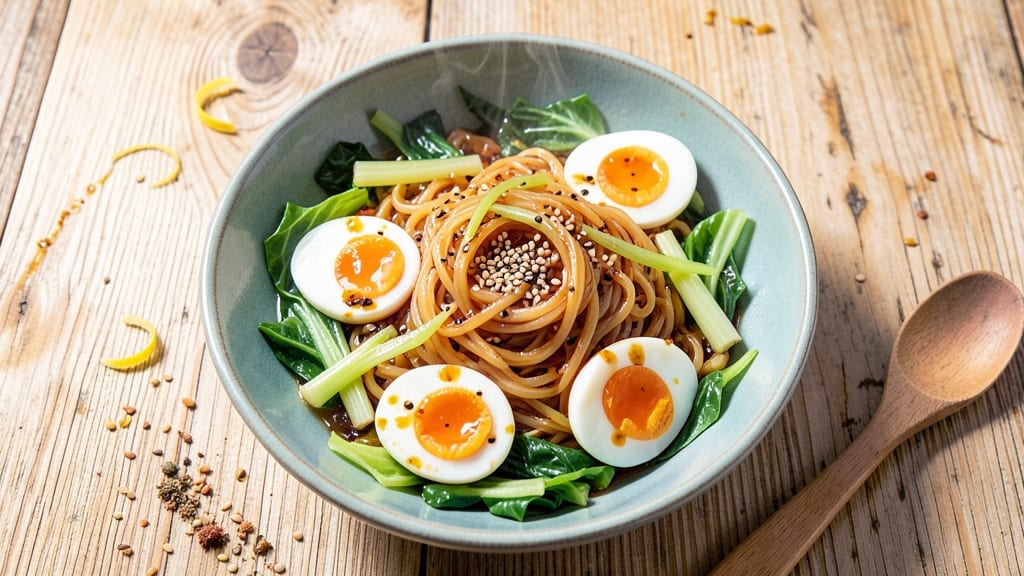
This traditional egg roll in a bowl delivers the crispy, aromatic essence of Chinese takeout—right in your wok. The secret lies in high-heat stir-frying celery and cabbage until glossy and crisp-tender, then draping them over silky scrambled eggs and chewy noodles.
I've perfected this recipe after years of testing, balancing authentic techniques with home-cook practicality for restaurant-quality results without the fuss.
The foundation starts with properly prepped ingredients: thinly sliced cabbage and celery that develop caramelized edges from wok-frying, while the eggs scramble into delicate ribbons. A homemade soy-ginger sauce ties everything together, cutting through the richness while enhancing the natural sweetness of the vegetables.
What makes this dish truly special is the texture contrast—crisp vegetables against tender eggs and chewy noodles in every bite.
By the time you plate this dish, you'll have a bowl that looks and tastes like it came from your favorite Chinese restaurant. The aroma alone—smoky wok hei from the stir-fry, fresh ginger in the sauce—will have everyone asking for seconds.
This recipe serves as both a comforting weeknight meal and an impressive dish for guests, proving that authentic Chinese flavors belong in every home kitchen.
The beauty of this traditional egg roll in a bowl lies in its adaptability—swap the protein, adjust the vegetables, or make it spicier to suit your taste. The core technique remains the same: high-heat stir-frying for maximum flavor and texture. Let's get cooking and bring that takeout experience home.
Ingredients for traditional recipe for egg roll in a bowl
These fresh ingredients come together to create crispy, aromatic vegetables over silky eggs—just like your favorite takeout.
| Ingredient | Amount | Notes |
|---|---|---|
| Napa Cabbage 🥬 | 4 cups | Thinly sliced, core removed |
| Celery Stems 🧅 | 3 whole | Julienned into matchsticks |
| Large Eggs 🥚 | 4 whole | Freshly beaten, room temperature |
| Rice Noodles 🍜 | 8 oz | Flat or round, uncooked |
| Neutral Oil 🫒 | ½ cup | Vegetable or avocado oil |
| Soy Sauce 🍶 | 3 tbsp | Light or all-purpose |
| Fresh Ginger 🌿 | 1 ½ tbsp | Finely grated, peeled |
| Sesame Oil 🫒 | 1 tbsp | Toasted, for aroma |
| Green Onions 🧅 | 3 whole | Thinly sliced, white and green |
| Garlic Cloves 🧄 | 4 cloves | Minced, fresh preferred |
| White Pepper 🌶️ | ¼ tsp | Freshly ground preferred |
| Salt 🧂 | 1 tsp | Kosher or sea salt |
| Sugar 🍚 | 1 tsp | White granulated |
The cabbage and celery are the stars here—you want them thinly sliced so they crisp up perfectly. Napa cabbage is ideal, but regular green cabbage works too if that's what you've got. For the celery, use the white and light green parts—they're sweeter and less stringy. I always grab mine from the produce section at Whole Foods because it's consistently fresh, but any grocery store will do. Look for crisp, vibrant vegetables with no yellowing or wilting. The ginger should be firm and aromatic—no shriveled roots here. If you can't find fresh ginger, substitute with 1 tsp ground ginger, but fresh is always better for that bright flavor.
No sesame oil? Toasted peanut oil works in a pinch, though it won't have the same nutty aroma. Running short on soy sauce? Coconut aminos or even light miso paste can add depth. The rice noodles should be flat and chewy—I prefer Vietnamese rice noodles from the Asian market, but any rice noodle will do. If you can't find them, ramen noodles work in a bind, but they won't have the same texture. For the eggs, fresh is non-negotiable—they scramble into those delicate ribbons that make this dish special. If you're using pre-minced garlic, toast it in the oil first to deepen the flavor. And if you're feeling adventurous, add a dash of chili crisp for some heat.
Store the fresh ginger wrapped in a damp paper towel for up to 2 weeks in the fridge. The cabbage and celery will keep for 5-7 days if sealed in a bag. Cooked noodles? Rinse them in cold water to stop cooking, then store in an airtight container for 3 days. The eggs should be used within 2 days of scrambling. This dish reheats beautifully—just add a splash of water or broth to the pan and stir-fry again. For extra crispiness, broil for 2 minutes at the end. And if you're making it ahead, keep the sauce separate until serving so the vegetables don't get soggy.
Why You'll Love This Recipe
- One-Pan Magic: The cabbage and celery barely touch a cutting board—just slice, stir-fry, then toss in the eggs. That’s it. No chopping mountains of veggies or fussy techniques; the wok’s high heat does all the work while you sip your tea.
- Umami Bomb: The crisp-tender cabbage soaks up the egg’s richness like a sponge, and that celery? It adds this bright, almost herbal punch that cuts through the noodles’ chew. Honestly, the first bite always makes me pause—it’s that good.
- Leftover Hero: This dish begs to be made ahead. The noodles soften beautifully when reheated, and the egg stays perfectly set—no soggy mess. I’ve fed a crowd with leftovers twice, and no one ever guessed it wasn’t freshly made.
- Budget Win: Napa cabbage and celery last weeks in the fridge, eggs are versatile, and rice noodles stretch farther than you’d think. Between us, this is my go-to when grocery money’s tight—filling, satisfying, and still feels special. (Yes, even on a Tuesday night.)
Step-by-step instructions for wok-fried crispy celery and cabbage over silky eggs
Here's how to recreate that perfect balance of crisp-tender vegetables and silky eggs in every bite.
Prepare the Vegetable Base
Heat the 0.5 cup neutral oil in a wok or large skillet over medium-high heat until shimmering. Add the 4 cups Napa cabbage and 3 whole celery stems (julienned), stirring constantly for 3-4 minutes until the cabbage wilts and the celery softens slightly but remains crisp. The key is to maintain movement—this prevents burning while ensuring even cooking.
Add the 4 cloves minced garlic and 1.5 tbsp finely grated fresh ginger, stirring for 30 seconds until fragrant. Immediately pour in the 3 tbsp soy sauce, 1 tsp sugar, and 1 tsp salt, tossing everything together. Cook for another 2 minutes until the vegetables are tender-crisp with just a hint of caramelization at the edges. Remove from heat and set aside—this vegetable base should retain its texture, not turn mushy.
Cook the Rice Noodles Al Dente
While the vegetables cook, bring a pot of water to a rolling boil and add the 8 oz rice noodles. Cook for 2-3 minutes—just until the noodles are pliable but still slightly firm to the bite. Drain immediately and rinse under cold water for 10 seconds to stop the cooking process. This prevents them from becoming gummy when combined with the other ingredients later.
Toss the drained noodles with 1 tbsp toasted sesame oil and 0.25 tsp white pepper, reserving ¼ cup of the pasta water. The sesame oil adds aromatic depth while the pepper enhances the overall flavor profile. Keep the noodles covered until ready to assemble—this maintains their texture.
Create the Silky Egg Custard
In a separate bowl, whisk the 4 whole large eggs until frothy but not fully emulsified. The goal is to create a smooth, velvety texture without overworking the eggs. Return the vegetable mixture to medium heat and pour the egg mixture directly over the vegetables. Stir gently but continuously for 1-2 minutes until the eggs begin to set but remain silky.
Here's where it gets tricky: you want the eggs to coat the vegetables without fully cooking into scrambled eggs. The residual heat from the vegetables should gently cook the eggs into a creamy custard. If the mixture looks too thick, add 1-2 tablespoons of the reserved noodle water to loosen it. The eggs should be just set but still slightly runny in the center.
Assemble and Finish
Return the noodles to the wok along with the egg-vegetable mixture. Toss everything together for 1 minute until the noodles are heated through and thoroughly coated with the egg custard. The final dish should have a harmonious blend of textures—crisp vegetables, silky eggs, and tender noodles.
Garnish with 3 whole green onions (thinly sliced) and an additional drizzle of sesame oil if desired. Serve immediately while the eggs remain warm and creamy. This dish is all about balance—each bite should deliver crisp cabbage and celery, rich egg custard, and delicate noodles working together in perfect harmony.
Pro Tips For Making Traditional Recipe For Egg Roll In A Bowl
- STIR-FRY THE CABBAGE FIRST: I learned this the hard way—when you toss in the Napa cabbage with everything else, it just sits there, soggy and limp. Cut it into thin strips, salt it well, and stir-fry it alone for 2-3 minutes until it wilts and releases water. Drain the excess liquid, then add the celery and other ingredients. That crisp-tender texture is the thing that matters most.
- USE COLD EGGS FOR SMOOTHER SCRAMBLE: Room-temperature eggs scramble too fast and end up rubbery. Crack them straight from the fridge into a bowl, whisk vigorously, then let them sit for 5 minutes before cooking. The cold start gives you time to prep the rest of the dish while the eggs cook evenly into fluffy, silky strands—no dry chunks here.
- DON’T OVERCOOK THE RICE NOODLES: I skip this when I’m lazy, but the dish is noticeably better when I don’t: rinse the rice noodles just until they’re pliable, not mushy. Soak them in warm water for 10-15 minutes (check the package), then drain and toss with a splash of oil to prevent sticking. Overcooking turns them gluey—trust the process.
- SAUTÉ CELERY IN BATCHES: Celery stems are stubborn—crowd them in the pan, and they steam instead of caramelize. Cut them into ½-inch pieces, then cook them in two separate batches over medium-high heat for 3-4 minutes per batch. The extra effort gives you that deep, nutty flavor that elevates the whole bowl. (Yes, even if you’re impatient like me.)
Make-ahead tips for leftovers
Prep Ahead Components
Slice your Napa cabbage and celery the night before and store them in a sealed container in the fridge. This saves time and ensures they're ready to stir-fry at a moment's notice.
I like to use a mandoline slicer for even, thin slices—it makes all the difference in achieving that perfect crisp-tender texture. 🥬
Noodle Prep Strategy
Cook the rice noodles up to 1 day ahead and store them in an airtight container with a damp paper towel to prevent drying. When reheating, add 1-2 tablespoons of water and microwave for 30 seconds to restore their chewy texture.
This is a game-changer for busy weeknights—just toss them back into the wok with the fresh stir-fry.
Egg Mixture Prep
Beat the eggs and mix them with 1 tablespoon soy sauce and ½ teaspoon white pepper in advance, then store in the fridge for up to 12 hours.
When ready to cook, simply pour the mixture over the hot vegetables—it reheats beautifully and maintains that silky texture. This step alone cuts your cooking time by half! 🥚
Sauce Assembly
Combine all sauce ingredients—soy sauce, ginger, sesame oil, sugar, and salt—in a small bowl and store in the fridge for up to 5 days.
This pre-mixed sauce keeps your cooking process seamless and ensures consistent flavor every time. Just drizzle it over the assembled dish right before serving.
Final Assembly Tips
Keep the sauce and garnishes separate until serving to maintain that perfect crispness in your vegetables. Store the cooked components in individual containers—vegetables, eggs, and noodles—so you can reheat just what you need.
When ready to serve, quickly toss everything together in the wok over medium heat for 1-2 minutes to revive the textures. This keeps the dish restaurant-fresh!
Freezer-Friendly Option
For longer storage, freeze the cooked vegetable-egg mixture (without noodles) in a single layer on a tray, then transfer to a freezer bag for up to 3 months. When ready to eat, thaw overnight in the fridge and reheat in the wok with fresh noodles.
The texture won't be identical, but it's a lifesaver for those days you just can't cook from scratch. 💫
Nutrition facts
Frequently asked questions
Why does my egg roll in a bowl turn out mushy instead of crisp?
The key is high heat and quick cooking. Overcrowding the wok or cooking at low heat causes steam instead of crispiness. Stir-fry the cabbage and celery in batches if needed, and keep the heat at medium-high until they're tender-crisp (3-4 minutes). Also, avoid rinsing the cooked vegetables—just pat them dry before adding eggs.
Can I substitute regular cabbage for Napa cabbage?
Yes, but you'll need to adjust the cooking time. Regular cabbage has a stronger flavor and releases more water, so slice it thinner and cook it for 1-2 minutes less to prevent mushiness. For best results, use green cabbage and add a pinch of baking soda to the water when blanching to soften it faster.
How do I make this dish vegetarian?
Swap the eggs for tofu (extra-firm, pressed and cubed) or mushrooms (shiitake or oyster). For protein, add 1 cup cooked lentils or 1 block firm tofu (cubed and pan-fried). Boost umami with 1 tsp miso paste in the sauce. The texture contrast remains with crisp veggies and chewy noodles!
What's the best way to reheat leftovers?
Reheat only the noodles and vegetables separately in the wok with 1 tsp oil over medium heat for 2 minutes. Add fresh eggs to the vegetable mixture and scramble until just set. Never reheat the eggs directly—they'll turn rubbery. For extra crispiness, broil for 1 minute at the end.
Can I use egg noodles instead of rice noodles?
While possible, rice noodles are traditional for their chewy yet delicate texture. Egg noodles will be firmer and absorb more sauce. If substituting, cook them 1 minute less than package instructions and rinse with cold water to stop cooking. The dish will still taste great, but the texture will differ slightly.