
Side Dishes
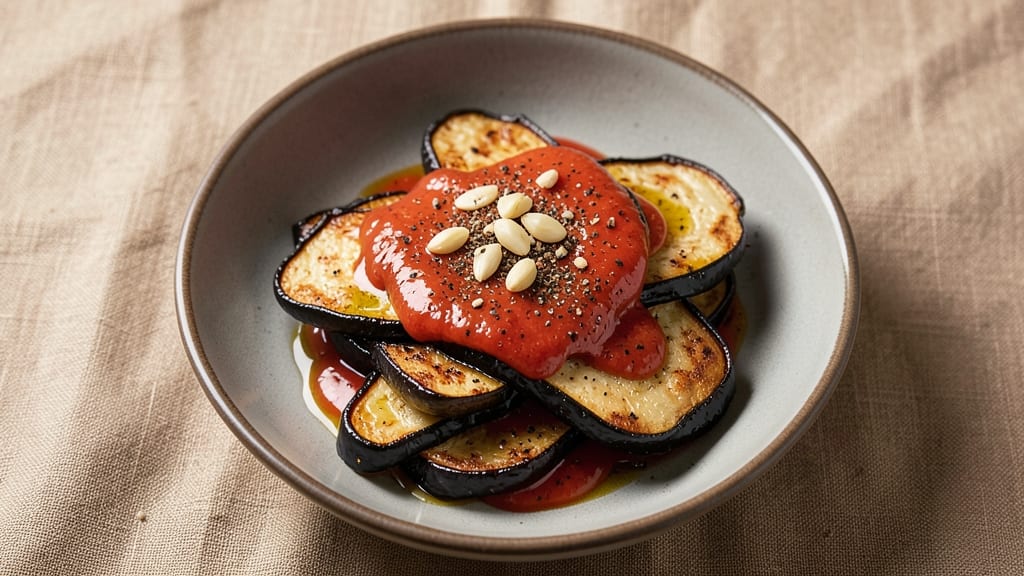
This twice-cooked eggplant recipe transforms humble eggplant into a smoky-sweet masterpiece with crispy edges and tender centers. The secret lies in the two-step cooking process—first roasting or frying the eggplant until tender, then slicing and cooking it again to create irresistible texture.
I developed this method after discovering how Mediterranean and Japanese techniques elevate eggplant into a standout side dish.
The beauty of this recipe is its versatility—it works as a vegetarian main, a hearty salad topping, or a showstopping side for grilled meats. The first cook softens the eggplant while infusing it with garlic and herbs, while the second cook creates that signature crispy exterior.
No special equipment is needed, just patience and a little oil.
What you’ll end up with is eggplant that’s rich, caramelized, and packed with flavor—crispy on the edges, tender inside, and perfectly seasoned. The smoky-sweet notes come from slow cooking, while the second fry adds that addictive crunch. This dish is restaurant-quality without the fuss.
Serve it warm alongside grilled fish, drizzled with olive oil, or tossed into salads for a textural surprise. The technique works for both roasting and frying, so you can adapt it to your preferred method. Let’s get cooking!
Ingredients for twice cooked eggplant
Twelve ingredients transform simple eggplant into restaurant-quality smoky-sweet perfection with crispy edges.
| Ingredient | Amount | Notes |
|---|---|---|
| Japanese Eggplant 🍆 | 2 whole | Medium to large size preferred |
| Extra-Virgin Olive Oil 🫒 | ½ cup | High-quality, fruity variety |
| Garlic Cloves 🧄 | 4 cloves | Minced for even distribution |
| Dried Oregano 🌿 | 1 tsp | Mediterranean variety preferred |
| Smoked Paprika 🌶️ | 1 tsp | For authentic smoky flavor |
| Ground Black Pepper 🌶️ | ½ tsp | Freshly ground for best flavor |
| Diamond Crystal Kosher Salt 🧂 | 1 ½ tsp | For seasoning and brining |
| Fresh Lemon Juice 🍋 | 2 tbsp | Brightens the final dish |
| Fresh Parsley 🌿 | ¼ cup | Chopped for garnish |
| Vegetable Oil 🫒 | ¼ cup | For second frying stage |
| Balsamic Vinegar 🍷 | 1 tbsp | For finishing drizzle |
| Fresh Thyme Leaves 🌿 | ⅛ cup | Optional for herbaceous depth |
Japanese eggplant is ideal for this technique—its tender flesh and minimal seeds create the perfect texture. Whole Foods or Asian markets typically carry it, though regular eggplant works in a pinch (just expect slightly more seedy texture). Look for firm, heavy eggplants with vibrant purple skin—avoid any with soft spots or wrinkles. The key is choosing medium-sized pieces that will cook evenly during both stages. If using regular eggplant, select globe varieties for their denser flesh. For optimal results, buy organic to avoid wax coatings that can interfere with crisping.
No smoked paprika? Substitute half the amount with regular paprika plus a pinch of liquid smoke—it's a game-changer for that authentic smoky depth. Fresh thyme is ideal, but dried thyme at one-third the amount works perfectly. The balsamic vinegar can be swapped for red wine vinegar if unavailable, though it lacks the same caramelized notes. For the second frying stage, vegetable oil has a higher smoke point than olive oil, making it ideal for crisping. The lemon juice should be freshly squeezed—bottled versions lack the bright acidity needed to cut through the richness. If you're short on time, pre-mince the garlic in a food processor for even distribution.
Store raw eggplant at room temperature until ready to cook—it softens quickly when refrigerated. Once cooked, keep the eggplant in an airtight container in the refrigerator for up to 4 days, though it's best enjoyed within 2 days for maximum crispiness. For longer storage, freeze portions before the second cooking stage—they'll keep for 3 months when reheated properly. The dish reheats beautifully in a skillet with a splash of water to restore moisture, or you can bake at 375°F (190°C) for 10-12 minutes until warmed through. Portion into individual servings before freezing for easy reheating.
Why You'll Love This Recipe
- One-Pan Magic: I swear by this recipe when I’m too tired to scrub pots—just slice, sear, flip, and roast. That’s it. The eggplant soaks up the olive oil and garlic like a sponge, turning tender without falling apart.
- Smoky Garlic Hug: Between us, the smoked paprika and dried oregano give this dish a cozy, almost Mediterranean vibe. It’s not fancy, but it’s ridiculously good—like a hug from a Greek taverna, but with less paperwork.
- Lunchbox Hero: I pack this cold the next day, and it’s still solid. The eggplant holds its shape, the oil keeps it moist, and the flavors only get better. Perfect for work lunches or when you forget to plan dinner.
- Budget Stretch: Japanese eggplant is affordable, and a single roasted tray feeds four for way less than takeout. Honestly, I’ve made this for date nights, potlucks, and lazy Sundays—no excuses, just flavor.
Step-by-step instructions for twice cooked eggplant
Master the technique of double-frying for irresistible crispy edges and tender centers.
Prepare and First-Fry the Eggplant
Slice the 2 whole Japanese Eggplant lengthwise into ¼-inch thick planks, cutting parallel to the seeds. Pat each slice completely dry with paper towels—this ensures maximum crispiness during frying. In a medium bowl, combine the 0.5 cup extra-virgin olive oil, 4 cloves minced garlic, 1 tsp dried oregano, 1 tsp smoked paprika, 0.5 tsp ground black pepper, and 1.5 tsp kosher salt. Whisk until fully emulsified.
Heat 0.25 cup vegetable oil in a large skillet over medium-high heat until shimmering. Brush both sides of each eggplant slice generously with the olive oil mixture. Working in batches, fry the eggplant for 2-3 minutes per side until golden brown and tender when pierced with a knife. Transfer to a paper towel-lined plate to drain excess oil. The key here is patience—don't overcrowd the pan or the oil temperature will drop, resulting in greasy eggplant instead of crispy.
Second-Fry for Maximum Crispiness
Return the fried eggplant to the same skillet over medium heat. Cook for an additional 1-2 minutes per side until the edges develop a deep golden-brown color and crisp texture. This second frying stage is crucial for achieving that signature twice-cooked texture. You'll notice the eggplant becomes even more aromatic as the flavors concentrate during this final crisping process.
Remove the eggplant from the skillet and transfer to a serving platter. Immediately drizzle with the 2 tbsp fresh lemon juice and 1 tbsp balsamic vinegar while still hot. The acidity of the lemon juice brightens the smoky flavors while the balsamic vinegar adds a subtle sweet-tart contrast. Sprinkle evenly with the 0.25 cup chopped fresh parsley and 0.125 cup fresh thyme leaves for a vibrant finish.
Rest and Serve Immediately
Allow the eggplant to rest for 2-3 minutes before serving. This brief resting period ensures the crispy exterior maintains its texture while the interior remains perfectly tender. The eggplant should be hot and ready to be served immediately after resting—twice-cooked eggplant loses its crispiness quickly once removed from heat.
Serve the eggplant as a main dish accompanied by crusty bread or as a side with grilled meats. The combination of smoky, sweet, and crispy elements creates a complex flavor profile that makes this dish irresistible. For an extra touch, you can lightly drizzle additional balsamic glaze or sprinkle with flaky sea salt just before serving to enhance the flavors further.
Pro Tips For Making Twice Cooked Eggplant
- SALT AND DRY FIRST: Japanese eggplant soaks up oil like a sponge—rub it with 1 teaspoon of salt per pound, let it sit 20 minutes, then pat thoroughly with paper towels. I used to skip this and ended up with soggy, greasy eggplant. Trust me, the dry run makes all the difference when frying.
- LOW AND SLOW SECONDS: After the initial fry, don’t rush the second cook—simmer the eggplant in olive oil over medium-low heat for 10-12 minutes. I learned this the hard way after burning the garlic and paprika into oblivion. Patience here means caramelized flavors, not bitter ashes.
- CRUSH GARLIC COARSER: Mince the garlic cloves just enough to break them down—no need for a paste. Larger pieces toast slower and release flavor more evenly. I was skeptical until I tried it: the garlic turns golden and aromatic instead of burning into a bitter sludge.
- STIR IN SPICES LAST: Add the oregano and smoked paprika after the eggplant has released its oils—about 2 minutes before the end. This keeps the spices from burning and lets them bloom into the dish. I used to toss them in early, and the result was always smoky but uneven. Timing matters.
Serving suggestions for this twice cooked eggplant
As a Main Dish
Serve your twice-cooked eggplant as a vegetarian centerpiece with a side of crusty Italian bread or garlic naan to soak up those smoky-sweet juices. I love pairing it with a simple lemon-herb quinoa or wild rice blend to add texture and balance.
The crispy edges hold up beautifully when served at room temperature, making it perfect for potlucks or meal prep. 💫
With Grilled Proteins
This eggplant makes an incredible side dish for grilled meats like chicken thighs or shrimp skewers. The smoky paprika in the eggplant complements the charred flavors of grilled proteins beautifully.
I recommend serving it alongside seared scallops or herb-roasted lamb chops for a restaurant-worthy meal. The contrast between the crispy eggplant and tender meat is pure magic.
In Salads
Add warm slices to Mediterranean salads for a textural surprise. Toss with arugula, cherry tomatoes, red onion, and a lemon-olive oil dressing for a refreshing yet hearty salad. I also love adding it to Greek salads—the crispy eggplant replaces traditional feta for a vegetarian twist.
For extra flair, drizzle with extra-virgin olive oil and crumbled feta just before serving.
With Dips and Spreads
Serve with hummus or tzatziki for a vegetarian mezze platter. The crispy eggplant slices pair perfectly with creamy dips, balancing textures and flavors. For a Mediterranean-inspired spread, arrange the eggplant alongside olives, marinated artichokes, and warm pita bread.
This makes an excellent appetizer for gatherings or a light lunch.
As a Sandwich Topper
Pile warm slices onto ciabatta rolls or hoagie buns with roasted red peppers, sautéed spinach, and a smear of garlic aioli. The crispy eggplant adds a satisfying crunch to sandwiches.
I also love using it in vegetarian paninis with provolone cheese and caramelized onions for a melty, crispy combo. 🌟
With Grain Bowls
Add to grain bowls for added depth. Toss with farro, roasted sweet potatoes, and avocado for a hearty vegetarian bowl. The smoky-sweet eggplant ties all the flavors together beautifully.
For extra protein, top with grilled tofu or chickpeas. This makes a balanced, satisfying meal that’s perfect for lunch or dinner.
Nutrition facts
Frequently asked questions
Why do we cook eggplant twice?
The double-cooking process creates the signature texture—tender centers with crispy, caramelized edges. The first cook softens the eggplant while infusing it with flavors, while the second cook develops that irresistible crunch. This technique originated in Mediterranean and Japanese cuisines where texture contrast is key.
Can I use regular eggplant instead of Japanese eggplant?
Yes, but expect slightly more seedy texture. Japanese eggplant has fewer seeds and denser flesh, making it ideal for crispy results. If using regular eggplant, choose globe varieties and slice them ¼-inch thick—thinner slices will crisp faster. Pat them extra dry to compensate for the difference in moisture content.
What's the best way to store leftover twice-cooked eggplant?
Keep it in an airtight container in the refrigerator for up to 4 days, though it's best enjoyed within 2 days for maximum crispiness. To reheat, warm in a skillet with a splash of water over medium heat for 3-4 minutes until heated through. For longer storage, freeze portions before the second cooking stage—they'll keep for 3 months.
Can I bake the eggplant instead of frying?
For the first cook, roast eggplant slices at 400°F (200°C) for 15-20 minutes until tender. For the second cook, broil for 2-3 minutes per side until crispy. Use the same seasoning blend and lemon-balsamic finish. The baked version is slightly less crisp but still delicious—great for a lighter option.
How do I prevent the eggplant from getting soggy?
Pat slices completely dry before cooking and avoid overcrowding the pan. The second fry at medium heat is crucial—high heat burns while low heat steams. Let the eggplant rest for 2-3 minutes before serving to set the crispy exterior. If reheating, always use dry heat (skillet or oven) with minimal moisture.