
Breakfast & Brunch
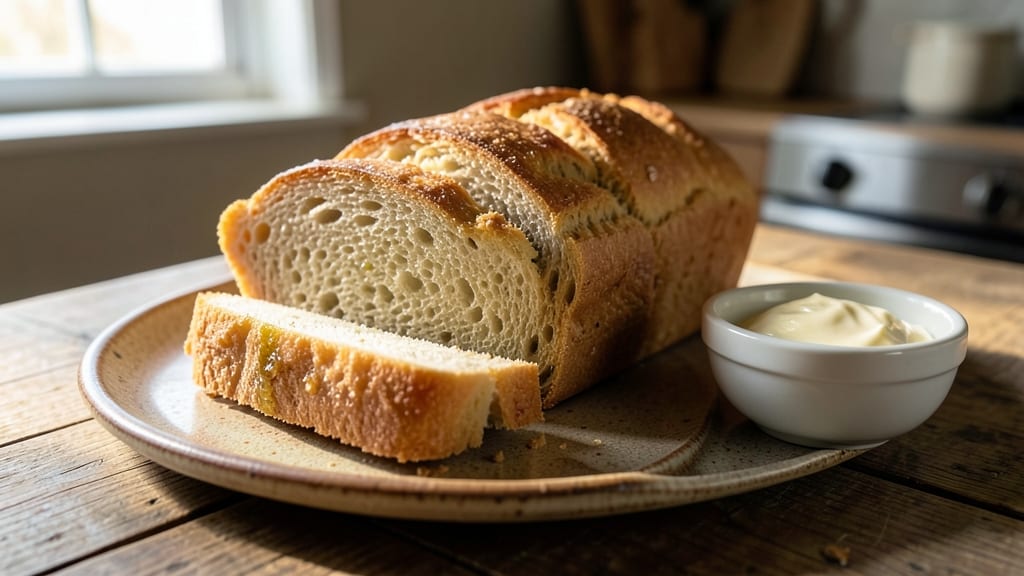
This wheat bread with egg recipe transforms simple ingredients into a loaf with a fluffy crust and tender interior, all thanks to the magic of eggs. The eggs don’t just bind the dough—they create that signature golden hue and delicate crumb that makes this bread irresistible.
I’ve perfected this method over years of baking, ensuring even beginners can achieve restaurant-quality results with just a few key techniques.
The secret lies in the dough’s resting time and the way eggs are incorporated—whisked into the wet ingredients first to create a rich, elastic base. No kneading required, just mix, let it rise, and bake. The result?
A loaf with a crispy exterior, a soft interior, and just enough eggy richness to make every slice satisfying. This isn’t your average wheat bread; it’s a game-changer for breakfast tables or sandwich lovers.
What makes this recipe stand out is its balance of simplicity and sophistication. You’ll need just five core ingredients—wheat flour, eggs, water, yeast, and a touch of sugar—to create something that feels indulgent.
The eggs add moisture and structure, while the wheat flour keeps it hearty and nutritious. Perfect for toast, sandwiches, or serving warm with butter, this loaf is versatile enough for any meal.
Ready in about 2 hours from start to finish, this recipe is ideal for weekend baking or meal prep. The proofing stage is where the real transformation happens, so don’t rush it—patience here ensures that perfect rise.
Once baked, the aroma alone will have everyone gathering around the table. Here’s how to make it happen.
Ingredients for wheat bread with egg
Eight simple ingredients create a loaf with restaurant-quality fluffiness and golden crust.
| Ingredient | Amount | Notes |
|---|---|---|
| All-Purpose Wheat Flour 🌾 | 4 cups | Unbleached preferred for best texture |
| Large Eggs 🥚 | 2 whole | Room temperature for even mixing |
| Warm Water 💧 | 1 ½ cups | 110°F for optimal yeast activation |
| Active Dry Yeast 🍞 | 2 ¼ tsp | Freshness matters—test in warm water |
| Granulated Sugar 🍚 | 1 tbsp | Feeds yeast for proper rise |
| Salt 🧂 | 1 ½ tsp | Kosher or sea salt preferred |
| Unsalted Butter 🧈 | 2 tbsp | Cold for flaky crust layers |
| Olive Oil 🫒 | 1 tbsp | For dough elasticity |
The wheat flour is the foundation—King Arthur or Bob's Red Mill brands work best for that perfect balance of structure and tenderness. Active dry yeast needs to be fresh; if it's over six months old, test it first by dissolving in warm water with sugar—it should foam within 5-10 minutes. The eggs are non-negotiable here; room temperature ensures even distribution in the dough. For the butter, Land O'Lakes unsalted is my go-to—it melts beautifully without overpowering the bread's flavor. Store flour in an airtight container to prevent absorption of fridge odors, and keep yeast in the freezer for maximum freshness.
No wheat flour? White whole wheat flour works in a pinch, though the texture will be denser. Egg substitutes like flax eggs (1 tbsp ground flax + 3 tbsp water per egg) can be used, but expect a slightly less tender crumb. The olive oil can be swapped for vegetable oil if preferred, though it lacks the subtle fruity notes. For a sweeter loaf, add 1 tsp honey to the warm water—just be aware this isn't vegetarian. The butter can be omitted entirely for a lighter loaf, but the crust will lack that signature crispness. Proofing time is critical—don't rush this step, even if the dough seems ready.
This dough keeps in the fridge for up to 3 days wrapped tightly in plastic, making it perfect for weekend baking. For longer storage, freeze the shaped loaf before baking—thaw overnight in the fridge before baking. The baked loaf stays fresh for 3-4 days at room temperature wrapped in a clean kitchen towel. For extra crispiness, brush the warm loaf with melted butter while still in the pan. Slice with a serrated knife for clean cuts, and store slices in an airtight container to maintain freshness.
Why You'll Love This Recipe
- No-Fuss Mixing: The dough comes together in five minutes—just flour, eggs, and a splash of warm water. No kneading, no fuss, and honestly? That egg yolk gives it a richness that feels like cheating.
- Golden Crust Secret: The sugar caramelizes just enough to give every slice a buttery, toasty edge while keeping the inside soft. It’s the kind of bread where the first bite makes you pause—that’s good.
- Weeknight Hero: Slice it for sandwiches, toast it for breakfast, or use it to soak up soups. Between us, I’ve even served it warm with jam when I forgot to bake anything else. It never lets me down.
- Budget Bread Wins: A single egg stretches the dough to perfection, and wheat flour keeps costs down without sacrificing texture. Plus, leftovers? They last days—perfect for when you’re too tired to bake again.
Step-by-step instructions for wheat bread with egg
Here's the method for a bread with a fluffy crust and tender crumb—every element comes together through precise technique.
Activate the Yeast with Warm Water and Sugar
In a large mixing bowl, combine the 1.5 cups warm water (about 110°F) with the 1 tbsp granulated sugar and 2.25 tsp active dry yeast. Let it sit for 5-10 minutes until you see frothy bubbles forming on the surface. This confirms the yeast is alive and ready to work—if it doesn't bubble, your bread won't rise properly.
I always test the water temperature first with my finger—it should feel warm but not hot. Too hot water kills yeast, while too cold water slows activation. The sugar feeds the yeast, helping it multiply quickly for a strong rise. Once bubbly, proceed immediately to avoid overproofing.
Mix the Dough with Flour, Eggs, and Wet Ingredients
Add the 4 cups all-purpose wheat flour and 1.5 tsp salt to the yeast mixture. Using a wooden spoon or dough whisk, stir until a shaggy dough forms. Then add the 2 whole large eggs and 1 tbsp olive oil, mixing until just combined. The dough will be sticky but manageable—this is normal with egg-enriched bread.
I like to use my hands at this stage to bring everything together. Knead the dough on a lightly floured surface for 5-7 minutes until smooth and elastic. The dough should spring back slowly when pressed—this indicates proper gluten development. If it feels too sticky, add flour 1 tablespoon at a time until it holds together without sticking to your fingers.
Incorporate Cold Butter for Flaky Layers
Cut the 2 tbsp unsalted butter into small cubes and work them into the dough one piece at a time. I press each cube into the dough with my fingertips, then fold the dough over itself to seal in the butter. This creates those beautiful flaky layers that give the bread its signature texture.
Once all butter is incorporated, shape the dough into a smooth ball. Place it in a lightly greased bowl, cover with a damp towel, and let it rise in a warm place for 1-1.5 hours or until doubled in size. The dough should feel light and airy—press your finger gently into it; if the indentation stays, it's ready for shaping.
Shape and Final Rise Before Baking
Punch down the risen dough to release air, then shape it into a loaf. I like to form it slightly taller than wide—this helps create a fluffy crust. Place the loaf seam-side down in a greased 9x5-inch loaf pan and let it rise again for 30-45 minutes until it just reaches the top of the pan.
Preheat your oven to 375°F with a baking stone or inverted baking sheet on the middle rack. Brush the loaf with a beaten egg wash (the remaining egg whites) for a golden finish. Bake for 30-35 minutes until the internal temperature reaches 190°F and the crust sounds hollow when tapped.
Cool and Slice for Perfect Texture
Remove the bread from the pan and let it cool on a wire rack for at least 30 minutes before slicing. This resting period allows the steam to escape, preventing a gummy crumb. The bread should have a crisp crust and a tender, egg-enriched interior with a slight chew.
For best results, store wrapped at room temperature for up to 3 days or freeze slices for longer storage. The egg addition makes this bread richer and more flavorful than traditional wheat bread—perfect for sandwiches or toasted with butter.
Pro Tips For Making Wheat Bread With Egg
- Bloom the Yeast First: Mix your yeast with warm water and sugar in a small bowl, then let it sit for 5-10 minutes until bubbly before adding to the flour. I learned this the hard way—skipping it means your dough might rise slower or unevenly, especially in cooler kitchens.
- Whisk Eggs Like a Pro: Beat the eggs until just frothy (about 30 seconds) before adding to the dough—no need to make them stiff or fluffy. Overworking them can make the bread dense, and under-whisking means the egg won’t bind as well.
- Skip the Over-Kneading: Wheat flour is sticky and tough; knead just until the dough pulls away from the bowl (about 8-10 minutes by hand). I used to go for 15, thinking more was better—now I know it makes the bread tougher.
- Use Room-Temp Eggs: Cold eggs slow yeast activity and can make the dough gummy. Pop them in warm water for 5 minutes before cracking them in. Yes, it’s a small step, but it guarantees a smoother dough and better rise.
Best sauces and condiments for wheat bread with egg
Classic Butter Spread
Nothing complements this egg-enriched wheat bread like a simple salted butter spread. I melt 2 tbsp unsalted butter with ½ tsp flaky sea salt and ¼ tsp honey, then brush it warm on freshly sliced bread.
The butter's richness enhances the eggy flavor while the honey adds subtle sweetness that balances the wheat's earthiness. 🧈
Honey-Lavender Drizzle
For a sophisticated touch, combine 2 tbsp wildflower honey with 1 tsp dried culinary lavender and 1 tsp lemon juice. Warm gently until the lavender blooms, then strain and drizzle over toasted slices. The floral notes pair beautifully with the bread's nutty wheat flavor, creating an elegant breakfast option.
Spicy Avocado Mash
Blend 1 ripe avocado, 1 tbsp Greek yogurt, ½ tsp smoked paprika, and juice of ½ lime until smooth. Spread generously on warm bread slices for a creamy, slightly tangy contrast. The avocado's healthy fats complement the bread's eggy richness perfectly, making this a great lunch option.
Sweet Almond Cream
Whisk together ½ cup almond butter, 2 tbsp maple syrup, and 1 tsp cinnamon until smooth. Spread on toasted bread for a nutty-sweet combination that enhances the bread's natural wheat flavor. This works wonderfully for dessert toast or a sweet breakfast treat.
Garlic-Herb Compound
Mix ¼ cup olive oil, 2 minced garlic cloves, 1 tbsp chopped fresh parsley, 1 tsp dried oregano, and ½ tsp red pepper flakes.
Spread on warm bread slices for a savory, herby contrast that pairs perfectly with the bread's tender crumb. This is ideal for sandwiches or as a simple appetizer.
Cream Cheese with Everything Bagel Seasoning
Spread 4 oz softened cream cheese on bread slices, then sprinkle generously with Everything Bagel Seasoning. The salty, sesame, and poppy seed combination creates a perfect balance with the bread's eggy richness. This is a fantastic option for breakfast or as a snack with smoked salmon.
Nutrition facts
Frequently asked questions
Why does this wheat bread recipe include eggs?
The eggs serve three key purposes: they create a tender, fluffy crumb by adding moisture and fat, they help bind the dough for a more cohesive structure, and they contribute to that signature golden-brown crust. Without eggs, the bread would be denser and less rich. The eggs also enhance the bread's keeping quality, preventing it from drying out as quickly as traditional wheat bread.
Can I make this bread without a loaf pan?
Yes! Shape the dough into a free-form loaf or round boule instead. For a rustic look, bake on a parchment-lined baking sheet at 375°F for 25-30 minutes, rotating halfway for even browning. The crust will be extra crispy, and you'll get that beautiful oven spring without a pan. Just let it cool completely before slicing—free-form bread needs more time to set.
What if my dough doesn't rise properly?
Check three things: first, ensure your yeast is fresh (test it in warm water with sugar—it should bubble within 5-10 minutes). Second, verify the water temperature is 110°F (too hot kills yeast, too cold slows it). Finally, give the dough enough time—place it in a warm spot (like a turned-off oven with light on) and check for doubling in 1-1.5 hours. If it still fails, your yeast may be dead or your environment too cold.
How can I make this bread more nutritious?
Swap ½ cup of the wheat flour for whole wheat or add 2 tbsp ground flaxseed to the dough for extra fiber and omega-3s. For protein, replace 1 egg with a flax egg (1 tbsp ground flax + 3 tbsp water). You can also boost nutrition by adding 1 tsp nutritional yeast to the dough—it adds a cheesy flavor and vitamin B12. Just be mindful these substitutions may slightly alter texture.
Can I freeze the dough before baking?
Shape the dough into a loaf, wrap tightly in plastic wrap, then place in a freezer bag. Freeze for up to 3 months. When ready to bake, thaw in the fridge overnight, then proceed with the final rise and baking as directed. The egg content actually helps preserve the dough's texture during freezing, so you won't lose that signature fluffiness.