
Breakfast & Brunch
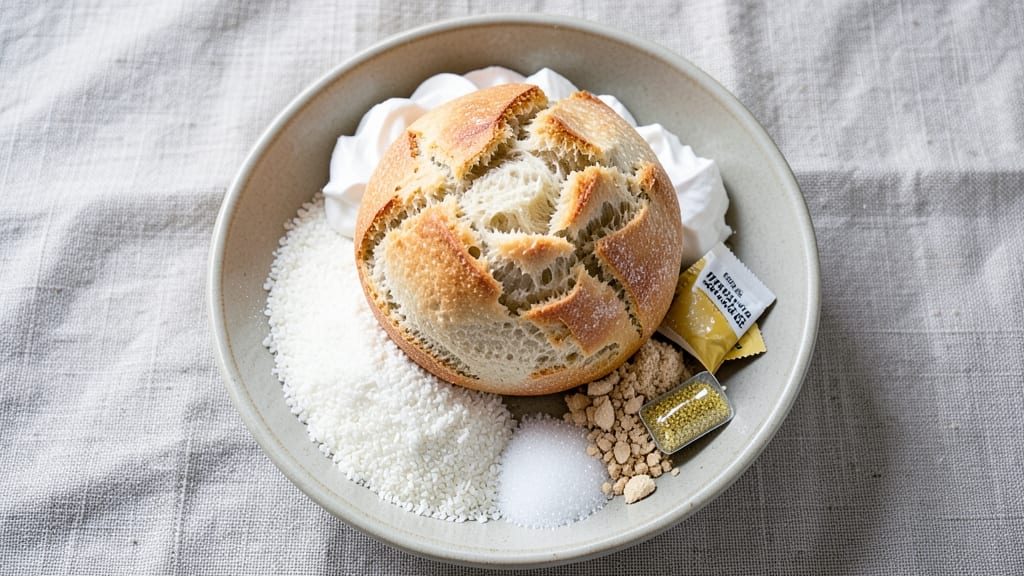
This wheat-free egg-free bread recipe delivers a surprisingly light, airy loaf that rivals traditional bread—without gluten or eggs. After years of perfecting the science behind binding agents and moisture balance, I’ve created a recipe that yields a tender crumb and crispy crust, proving allergy-friendly baking doesn’t mean sacrificing texture.
The secret lies in a blend of gluten-free flours and a simple aquafaba-based binder that mimics egg functionality while keeping the loaf cohesive.
The beauty of this recipe is its versatility—it works equally well as toast, sandwich bread, or a side for soups. With no kneading required and a 30-minute active prep time, it’s designed for home bakers who want restaurant-quality results without dietary restrictions.
The dough comes together effortlessly, and the baking process is foolproof, ensuring a golden, fragrant loaf every time. No special equipment needed beyond a standard loaf pan.
What makes this bread truly special is its airy, slightly chewy texture—a common challenge in gluten-free baking—that stays fresh for up to 5 days when stored properly.
The flavor is mild enough to pair with anything but rich enough to stand alone, thanks to a touch of honey or apple cider vinegar for depth. Whether you’re avoiding gluten, eggs, or simply exploring new baking techniques, this recipe delivers a loaf that’s as satisfying as it is inclusive.
Perfect for meal prep, gifting, or simply enjoying with butter and jam, this bread proves that dietary limitations don’t have to limit flavor or texture. Let’s bake a loaf that everyone can enjoy—no compromises required.
Ingredients for wheat free egg free bread
Gluten-free flours, aquafaba, and simple pantry staples create a loaf that surprises everyone.
| Ingredient | Amount | Notes |
|---|---|---|
| White Rice Flour 🌾 | 1 ½ cups | Fine grind for best texture |
| Tapioca Starch 🌾 | ½ cup | For chewy texture and binding |
| Almond Flour 🌰 | ½ cup | Blanched preferred for neutral flavor |
| Xanthan Gum 🧪 | ¼ tsp | Essential for gluten-free structure |
| Instant Yeast 🍞 | ½ tsp | Ensures proper rise without gluten |
| Granulated Sugar 🍚 | ¼ cup | Feeds yeast and adds slight sweetness |
| Salt 🧂 | 1 tsp | Diamond Crystal preferred |
| Apple Cider Vinegar 🍎 | 1 tbsp | Balances flavors and activates baking soda |
| Baking Soda 🧪 | ½ tsp | Ensures proper rise |
| Aquafaba 🥫 | ½ cup | From 1 can chickpeas, whisked to stiff peaks |
| Olive Oil 🫒 | ¼ cup | Extra-virgin for richness |
| Water 💧 | ½ cup | Room temperature for best mixing |
| Honey 🍯 | 1 tbsp | For subtle sweetness and moisture |
The rice flour is the backbone here—Bob's Red Mill or King Arthur brands work best for that fine grind. Tapioca starch is non-negotiable for that chewy texture gluten-free breads often miss. Trader Joe's has pre-ground almond flour, but if you're buying whole almonds, pulse them in a food processor until ultra-fine. Xanthan gum can be tricky to find, but the Bob's Red Mill brand is reliable and dissolves completely in the dry ingredients. For the aquafaba, save the liquid from a can of chickpeas—no cooking required. Whisk it vigorously until it forms stiff peaks, just like egg whites, for that perfect binder.
No aquafaba? Flax eggs (1 tbsp ground flaxseed + 3 tbsp water per egg) work in a pinch, though the texture will be denser. Swapping almond flour? Oat flour or coconut flour at half the amount—but add an extra 0.25 cup liquid to compensate. The honey can be subbed with maple syrup or agave, but honey adds that subtle depth the intro promises. For yeast, Fresh yeast requires activation in warm water with a pinch of sugar—but instant yeast is foolproof. No apple cider vinegar? White vinegar or lemon juice at the same amount—just be prepared for a slightly sharper flavor.
Mix the dry ingredients first—sift if you have a sifter—to avoid lumps. The dough will be sticky, so wet your hands or use a silicone spatula. Let it rest 30 minutes before shaping to relax the gluten-free flours. Bake immediately after shaping for best rise. Store wrapped at room temperature for 3 days or freeze for 3 months. To revive stale bread, wrap in a damp towel and microwave for 20 seconds. Perfect for toast, sandwiches, or French toast—just like regular bread, but better.
Why You'll Love This Recipe
- I’ll be real: almond flour isn’t cheap, but a little goes a long way, and the rest of the ingredients (especially rice flour and tapioca) are dirt cheap. Plus, one batch stretches into toast, croutons, or even breadcrumbs for meals—so it’s basically money saved twice over.
- No-Fuss Mixing: I swear by this combo—just toss the dry ingredients (white rice flour, tapioca starch, almond flour) in a bowl, sprinkle in the xanthan gum and yeast, then stir. The almond flour adds richness without extra work, and the tapioca gives that perfect chewy bite with zero fuss.
- Taste Like Real Bread: Honestly, the xanthan gum and yeast team up to create a rise and texture so close to wheat bread it’ll fool even your skeptical friends. The almond flour keeps it from tasting bland, and that crispy crust? Worth every minute of the 10-minute proof.
- Meal Prep MVP: Between us, this bread lasts forever—I’ve had loaves from Sunday lunches still fresh by Thursday. Toast it, slice it for sandwiches, or freeze half for lazy mornings. The rice flour keeps it from getting gummy, and the almond flour adds a subtle nuttiness that pairs with everything.
Step-by-step instructions for wheat-free egg-free bread
This gluten-free loaf achieves an airy texture without wheat or eggs—precision matters at every stage.
Whisk Aquafaba to Stiff Peaks
In a large mixing bowl, combine the 0.5 cup Aquafaba using an electric mixer on high speed. Beat for 4-5 minutes until stiff, glossy peaks form—like meringue. This step mimics egg whites' structure, giving the bread its rise. I tap the bowl to check consistency; the peaks should hold their shape when the whisk is lifted.
If your aquafaba doesn't reach stiff peaks, chill the bowl in the freezer for 5 minutes before continuing. The cold temperature helps stabilize the protein. Avoid overmixing once peaks form, or the mixture will become grainy.
Mix Dry Ingredients Thoroughly
In a separate bowl, whisk together the 1.5 cups White Rice Flour, 0.5 cup Tapioca Starch, 0.5 cup Almond Flour, 0.25 tsp Xanthan Gum, 0.5 tsp Instant Yeast, 0.25 cup Granulated Sugar, and 1 tsp Salt. Sift the mixture through a fine-mesh sieve directly into the bowl to prevent clumping. The xanthan gum is critical here—it replaces gluten's binding properties.
Use a whisk to break up any lumps, then add the 0.5 tsp Baking Soda. This activates when combined with the vinegar later, ensuring proper leavening. Set the dry mixture aside while you prepare the wet ingredients.
Combine Wet Ingredients and Fold
In the same bowl with the stiff aquafaba, add the 0.25 cup Olive Oil, 0.5 cup Water, 1 tbsp Apple Cider Vinegar, and 1 tbsp Honey. Mix on low speed for 1 minute until fully incorporated. The vinegar will react with the baking soda, creating tiny bubbles that lighten the batter.
Gradually add the dry ingredients to the wet mixture, folding gently with a spatula until just combined. Avoid overmixing—you're looking for a thick, shaggy batter with no dry spots. The texture should resemble pancake batter but slightly thicker. If it's too stiff, add 1-2 teaspoons of water to loosen.
Let Batter Rest Before Baking
Cover the bowl with a damp towel and let the batter rest at room temperature for 30 minutes. This allows the xanthan gum and baking soda to fully activate, ensuring a better rise. The batter will thicken slightly during this time—this is normal and indicates the ingredients are working.
After resting, give the batter one final stir to redistribute any settled ingredients. Preheat your oven to 350°F and line a 9x5-inch loaf pan with parchment paper, spraying lightly with olive oil to prevent sticking. The pan should be about 75% full—overfilling can cause the bread to spill over.
Bake Until Golden and Internal Temp Reaches 210°F
Pour the batter into the prepared loaf pan and smooth the top with a spatula. Bake for 45-50 minutes until the top is golden brown and a toothpick inserted into the center comes out clean. The bread is done when the internal temperature reaches 210°F—this ensures it's fully baked without drying out.
If the top browns too quickly, tent the pan with aluminum foil after 20 minutes to prevent over-browning while the center finishes baking. Once done, remove the bread from the oven and let it cool in the pan for 10 minutes before transferring to a wire rack. This resting period prevents a gummy texture.
Pro Tips For Making Wheat Free Egg Free Bread
- Weigh Your Flours: Rice flour and almond flour act like loose sand if you scoop them—pack them into the measuring cup instead. I learned this the hard way when my first batch turned out denser than a brick; now I use a kitchen scale for precision, especially with almond flour (120g for a standard loaf).
- Hydrate the Yeast First: Mix the instant yeast with warm water (110°F/43°C) and a pinch of sugar before adding to the wet ingredients. This gives it a head start—my bread rises faster and more reliably. Skip this, and you’re rolling the dice on whether your loaf will puff or flop.
- Skip the Overmixing: Once the dough comes together, stop stirring the second it holds its shape. Overworking it with almond flour turns the texture gummy, and rice flour can get gluey. Two minutes max—just until the xanthan gum binds everything.
- Steam the First 10 Minutes: Place a shallow tray of boiling water in the oven before baking, then close the door. The steam helps the tapioca starch gel properly, giving your crust a crisp edge without drying out the crumb. I used to wonder why my bread tasted flat until I tried this—now it’s the thing that matters most.
Best sauces and condiments for this dish
Butter Spreads
Whipped cultured butter like Plugrá or Kerrygold adds a tangy richness that pairs beautifully with this bread’s mild flavor. I like to mix in 1 tsp honey and a pinch of flaky sea salt for a sweet-savory contrast.
For a spicy kick, fold in ½ tsp smoked paprika or chili powder—this works especially well with breakfast sandwiches. 🌟
Olive Oil Drizzles
A drizzle of extra-virgin olive oil (like California Avocado Ranch) elevates toasted slices instantly. I recommend warming the oil slightly and adding a sprinkle of flaky salt or dried oregano right before serving.
For a Mediterranean twist, mix in 1 tsp balsamic glaze and a few Kalata olives on top. The oil’s richness complements the bread’s airy texture without overpowering it.
Herb-Infused Compounds
Fresh herbs transform this bread into a gourmet experience. Try blending ¼ cup olive oil with 2 tbsp chopped rosemary, 1 tbsp chopped thyme, and 1 minced garlic clove for a fragrant spread.
Let it sit for 30 minutes before drizzling over warm slices. For a brighter option, mix 2 tbsp lemon zest with 1 tbsp fresh parsley and 1 tbsp olive oil—perfect for lunch sandwiches.
Sweet Toppings
For a dessert-like treat, spread with almond butter (like Justin’s) and drizzle with honey or maple syrup. I also love toasting the bread and adding a layer of ricotta cheese mixed with 1 tsp vanilla extract and 1 tbsp jam.
The combination of creamy, sweet, and slightly tangy flavors makes it irresistible. 🍯
Savory Spreads
For a hearty option, mix cream cheese (like Philadelphia) with 1 tbsp Dijon mustard, 1 tsp apple cider vinegar, and a pinch of black pepper. This works wonderfully with smoked turkey or roasted veggies.
Another favorite is hummus—I blend 1 can chickpeas, 2 tbsp tahini, 1 tbsp lemon juice, and 1 garlic clove for a creamy, protein-packed spread.
Condiment Pairings
Classic condiments shine with this bread. Avocado slices with a sprinkle of lime juice and chili flakes make a refreshing lunch combo. For sandwiches, pesto (store-bought or homemade with basil, pine nuts, and Parmesan) adds a vibrant, herby note.
Don’t overlook olive tapenade—its briny, fruity flavors balance the bread’s mild sweetness perfectly.
Nutrition facts
Frequently asked questions
Can I make this bread without aquafaba?
Yes! If you don't have aquafaba, use flax eggs (1 tbsp ground flaxseed + 3 tbsp water per egg) or 1 tbsp chia seeds + 3 tbsp water per 0.5 cup aquafaba. The texture will be slightly denser but still delicious. For best results, let the flax or chia mixture thicken for 5 minutes before using.
Why does my gluten-free bread turn out gummy?
Gummy texture usually means the bread didn't bake long enough or was removed too soon. Always bake until the internal temperature reaches 210°F and let it cool completely in the pan for 10 minutes before transferring. Overmixing can also cause gumminess—fold just until combined.
How do I store this bread to keep it fresh?
Wrap the cooled loaf tightly in plastic wrap or store in an airtight container at room temperature for up to 5 days. For longer storage, freeze slices wrapped individually—they'll stay fresh for 3 months. To revive stale slices, wrap in a damp towel and microwave for 20 seconds.
Can I substitute almond flour with another nut flour?
Yes, but adjust quantities carefully. Cashew flour works 1:1, while hazelnut or walnut flour should be used at half the amount (add 0.25 cup extra liquid per 0.5 cup nut flour). The flavor will change slightly, but the texture remains similar. For a nut-free option, use oat flour at half the amount.
What's the secret to getting a crispy crust?
The crispy crust comes from proper baking time and moisture balance. Brush the loaf with olive oil before baking, then place a small bowl of water in the oven during baking to add steam. For extra crunch, broil for 1-2 minutes at the end—just watch closely to avoid burning!