
Desserts
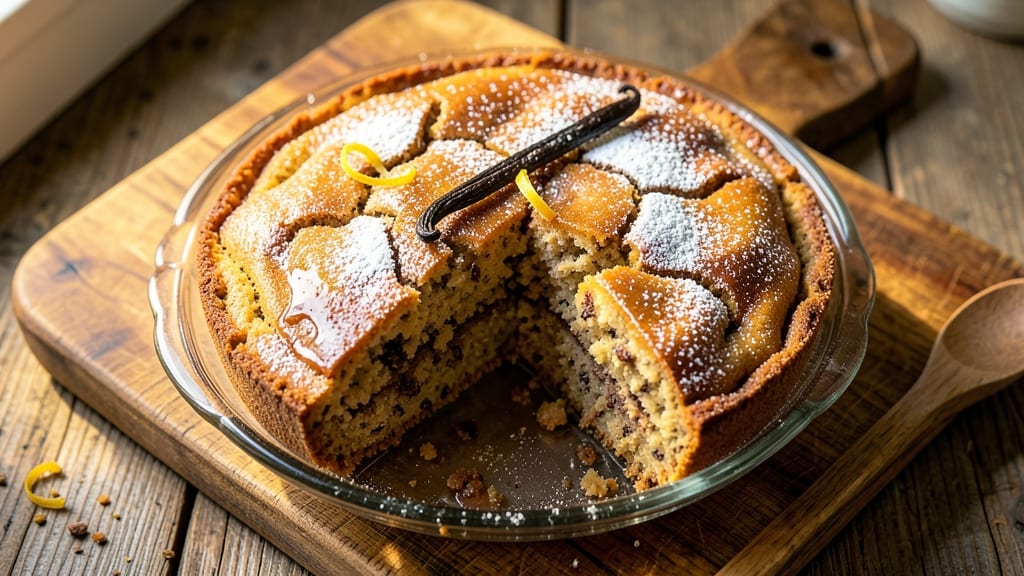
This 1-egg coffee cake recipe delivers flaky layers and moist vanilla swirls without the fuss of multiple eggs or complicated techniques. The secret lies in a simple, high-fat dough that creates tender crumb and crispy edges—perfect for weekend breakfasts or dessert cravings.
I've tested this recipe countless times to ensure it's foolproof, with just one egg binding everything together while keeping the texture light and airy.
The magic happens in the vanilla swirl, which adds richness and a subtle sweetness without overpowering the coffee cake's natural flavor. A light buttercream glaze ties everything together, giving that bakery-style shine without requiring extra effort.
What makes this recipe stand out is its balance—flaky enough to hold up to coffee, but moist enough to melt in your mouth with every bite.
Ready in about 45 minutes, this coffee cake requires minimal prep and no special equipment—just a standard mixing bowl and a 9-inch pan. The dough comes together in a snap, and the baking process is hands-off, making it ideal for busy mornings or last-minute treats.
Whether you're serving it warm with a cup of coffee or saving slices for later, the texture and flavor stay consistent.
For added indulgence, top with a streusel layer or a sprinkle of cinnamon sugar before baking. The recipe also adapts easily to dietary preferences, like reducing sugar or using gluten-free flour. Let’s get baking!
Ingredients for 1 egg coffee cake
Twelve ingredients transform into a bakery-style coffee cake with flaky layers and moist vanilla swirls.
| Ingredient | Amount | Notes |
|---|---|---|
| Unsalted Butter 🧈 | 1 cup | Cold, cubed for flakiness |
| All-Purpose Flour 🌾 | 2 cups | Sifted, plus extra for dusting |
| Granulated Sugar 🍚 | 1 ½ cups | Superfine preferred for smoothness |
| Large Egg 🥚 | 1 whole | Room temperature for even mixing |
| Vanilla Extract 🍯 | 1 tbsp | Pure, high-quality extract |
| Baking Powder 🍞 | 1 tsp | Freshly opened for leavening |
| Salt 🧂 | ½ tsp | Fine sea salt for balance |
| Milk 🥛 | ½ cup | Whole milk for richness |
| Vanilla Bean Paste 🌿 | 1 tbsp | For intense vanilla flavor |
| Brown Sugar 🍯 | ½ cup | Packed, for swirl sweetness |
| Confectioners' Sugar 🍚 | 1 cup | For buttercream glaze |
| Powdered Milk 🥛 | 1 tbsp | For glaze stability |
| Lemon Juice 🍋 | 1 tsp | Fresh, for glaze tang |
The butter is non-negotiable—European-style unsalted with high fat content yields the signature flakiness. Plugrá or President brands excel, but any cold, cubed butter works in a pinch. For the flour, King Arthur or Bob's Red Mill are ideal, but avoid self-rising blends. The vanilla swirl demands high-quality vanilla bean paste—Madagascar bourbon adds depth beyond extract. Brown sugar should be packed for the swirl, ensuring proper moisture retention in the crumb. Pre-sift your flour and baking powder to eliminate lumps, a professional trick that guarantees a tender texture.
No vanilla bean paste? Double the extract and add a pinch of cinnamon for warmth. Substitute powdered milk in the glaze with evaporated milk at half the amount for creaminess. For a nutty twist, fold toasted walnuts or pecans into the swirl. The buttercream glaze can be thickened with 1-2 tbsp extra powdered sugar if needed. If your kitchen is humid, chill the dough 30 minutes before baking to prevent spreading. For a streusel topping, mix 0.5 cup flour, 0.5 cup sugar, and 0.25 cup cold butter—sprinkle generously before baking.
Store the cake wrapped in plastic at room temperature for 3 days or refrigerate for 5 days to preserve moisture. For longer storage, freeze slices wrapped in parchment for 3 months. The glaze sets at room temperature, but a quick microwave reheat (10 seconds) restores its gloss. To reheat, wrap slices in a damp paper towel and warm in the oven at 300°F for 5-7 minutes. The vanilla swirl remains vibrant when refrigerated, making this cake ideal for make-ahead breakfasts or dessert gatherings.
Why You'll Love This Recipe
- One-Bowl Wonder: I swear by this for lazy mornings—just cream butter and sugar, toss in dry ingredients, fold in the egg and vanilla, and bake. No mixer, no fuss, no stress.
- Rich Without Effort: That single egg binds everything perfectly while keeping it moist, and the vanilla? It’s like a whisper of warmth in every bite—simple, but somehow luxurious.
- Weekday Breakfast Hero: Slice it up for grab-and-go breakfasts or pack it for lunches—it holds together like a champ. (Yes, even when my toddler "accidentally" drops it in the car.)
- Budget Magic: Uses pantry staples and stretches further than you’d think—half the cake lasts my family three days. The butter and sugar do all the heavy lifting, so your wallet stays happy.
Step-by-step instructions for flaky vanilla coffee cake
Achieving perfect flaky layers and moist crumb starts with precise technique and patience.
Create the Flaky Butter Swirl Dough
In a large mixing bowl, combine the 1.5 cups granulated sugar, 1 whole large egg, 1 tablespoon vanilla extract, and 1 tablespoon vanilla bean paste. Whisk until fully incorporated and set aside. This sweet base will become the heart of your cake's flavor.
In a separate bowl, sift together the 2 cups all-purpose flour, 1 teaspoon baking powder, and 0.5 teaspoon salt. Whisk to remove any lumps and create a smooth, aerated mixture. The sifting ensures even distribution of leavening agents throughout the dough.
Cut the 1 cup cold unsalted butter into small cubes and place them on a chilled baking sheet. Freeze for 10 minutes to maintain firmness. Using a pastry cutter or two forks, cut the butter into the dry ingredients until the mixture resembles coarse crumbs with pea-sized butter pieces. This cold butter creates steam pockets during baking, resulting in those signature flaky layers.
Build the Coffee Cake Layers
Transfer the dough mixture to a lightly floured surface and gently press it into a 9-inch square baking pan lined with parchment paper. Spread it evenly to create an even base layer. The dough should be about ½-inch thick when pressed.
In a small bowl, combine the 0.5 cup packed brown sugar, 0.5 cup milk, and 1 teaspoon lemon juice. Whisk until the brown sugar dissolves completely. This sweetened liquid will create the signature swirl pattern while adding moisture to the cake.
Pour the brown sugar mixture evenly over the dough layer in the pan. Using a butter knife or offset spatula, gently spread the liquid to the edges, then create swirls by dragging the knife through the liquid in a zigzag pattern. This creates both visual appeal and even distribution of moisture throughout the cake.
Bake to Golden Perfection
Preheat your oven to 350°F and place a baking stone or inverted baking sheet on the middle rack. This creates even heat distribution for perfect browning. Bake the coffee cake for 35-40 minutes, until the edges are golden brown and a toothpick inserted in the center comes out clean.
During the last 5 minutes of baking, watch for the edges to develop a rich caramel color. If the top browns too quickly, tent the pan with aluminum foil. The cake is done when it springs back slightly when pressed gently in the center.
Prepare the Vanilla Glaze
While the cake bakes, prepare the glaze by whisking together the 1 cup confectioners' sugar, 1 tablespoon powdered milk, and 2-3 tablespoons milk (from the remaining 0.5 cup) in a small bowl. Add the 1 tablespoon vanilla extract and 1 teaspoon lemon juice, then whisk until smooth. The glaze should be thick enough to coat the back of a spoon but still drizzle easily.
Immediately after removing the cake from the oven, let it cool in the pan for 10 minutes. This allows the layers to set slightly before glazing. Pour the glaze evenly over the warm cake and spread it to the edges using a spatula. The residual heat will help the glaze set quickly and create a beautiful sheen.
Cool and Serve
Allow the coffee cake to cool completely in the pan on a wire rack for at least 1 hour before slicing. This resting period allows the layers to fully set and the flavors to meld. The cake should have a light golden color with visible flaky layers and a glossy glaze.
Slice into 8 equal pieces using a sharp serrated knife. Each slice should reveal the beautiful swirl pattern and maintain its moist texture. Serve at room temperature for the best texture and flavor combination.
Pro Tips For Making 1 Egg Coffee Cake
- MIX THE BUTTER AND SUGAR UNTIL LIGHT: I used to eyeball this step, but with just one egg, you need that butter and sugar to blend into a pale, fluffy paste—about 3-4 minutes with a stand mixer (or 5-6 with a hand mixer). Stop when it looks like wet sand, not wet cement. That’s how you get the tender crumb this cake actually deserves.
- WHISK THE EGG FIRST: Crack that egg into a separate bowl, then whisk it like you mean it—no streaks, no lumps. Cold butter makes eggs curdle, and this recipe has no room for error. Once it’s smooth, pour it into the butter mix in a slow, steady stream while mixing on low. No splashing.
- FOLD DRY INGREDIENTS GENTLY: Dump the flour all at once and fold it in with a spatula—don’t stir like you’re making pancakes. Overmixing develops gluten, and this cake’s whole point is being soft, not chewy. Stop when just combined, even if the batter looks shaggy. It’ll come together in the pan.
- BAKE UNTIL 205°F INTERNAL: The recipe might say "golden brown," but don’t trust your eyes—this cake’s dense enough to stay underdone inside. Use an instant-read thermometer to check the center. At 205°F, it’ll pull away from the edges and pass the toothpick test (with a few moist crumbs, not wet batter). Pull it out then.
Creative variations of 1 egg coffee cake
Classic Streusel Topping
For a bakery-style twist, mix ½ cup all-purpose flour, ½ cup granulated sugar, and ¼ cup cold cubed butter until crumbly. Add ½ teaspoon cinnamon and pinch of salt.
Sprinkle generously over the dough before baking—it creates a crunchy contrast to the soft cake layers. I like to press it lightly with my fingers to create a decorative pattern. 🍞
Spiced Orange Swirl
Replace the brown sugar swirl with a citrusy version: mix ½ cup orange marmalade, ¼ cup milk, and 1 teaspoon grated orange zest. Add ½ teaspoon cinnamon and ¼ teaspoon nutmeg for warmth.
The orange flavor pairs beautifully with coffee and adds a bright, tangy contrast to the vanilla. Use the same swirling technique as the original recipe. 🍊
Chocolate Chip Twist
Fold ½ cup semi-sweet chocolate chips into the vanilla swirl mixture before pouring it over the dough. For extra decadence, add ¼ cup chopped walnuts too. The chocolate melts slightly during baking, creating pockets of gooey goodness. I recommend using Ghirardelli baking chips for their melt-in-your-mouth texture. 🍫
Gluten-Free Adaptation
Swap the all-purpose flour for a 1:1 gluten-free baking flour blend like Bob's Red Mill. Add 1 teaspoon xanthan gum to improve texture. For the streusel, use a gluten-free flour blend too.
The cake will still be tender but slightly denser. I find King Arthur gluten-free measure-for-measure flour works best for this recipe. 🌾
Less Sugar Version
Reduce the granulated sugar to 1 cup and the brown sugar to ¼ cup. Use ½ cup unsweetened applesauce to replace some of the milk in the swirl mixture.
This cuts calories while keeping the cake moist. The vanilla flavor becomes more prominent, making it perfect for those watching their sugar intake. 🍎
Make-Ahead Breakfast Cake
Prepare the cake batter up to the swirl step, then refrigerate for up to 24 hours. Bake as directed when ready. For a morning treat, add ½ cup diced apples or pears to the swirl mixture—they caramelize beautifully during baking.
Wrap cooled slices in plastic wrap and freeze for up to 3 months. Reheat in the oven for 5-7 minutes at 300°F to restore freshness. ☕
Nutrition facts
Frequently asked questions
Can I substitute the 1 egg with something else?
The single egg in this recipe is essential for binding the flaky layers and maintaining moisture. For a vegan option, replace it with ¼ cup unsweetened applesauce + 1 teaspoon baking powder or ¼ cup aquafaba (chickpea brine) whisked until frothy. The texture will be slightly denser but still delicious. Never omit the egg entirely—it's what creates that signature tender crumb.
Why did my coffee cake turn out dense instead of flaky?
Dense coffee cake usually means the butter melted too soon during mixing. Keep your butter cold (even frozen for 10 minutes) and cut it into the flour using a pastry cutter or forks to create pea-sized pieces. Avoid overmixing the wet ingredients—just combine until smooth. Also, ensure your oven isn't too hot (350°F is critical) and don't open the oven door during the first 20 minutes of baking.
How do I make this recipe in a round pan instead of square?
Use a 9-inch round cake pan and reduce the baking time by about 5 minutes (check at 30 minutes)). The swirl technique works the same—pour the brown sugar mixture in the center and cut swirls from the outside toward the center. For even baking, rotate the pan halfway through. The layers will be slightly thicker in the middle but still perfectly tender.
Can I make this coffee cake without a mixer?
This recipe is perfect for hand mixing. Use a large bowl and a sturdy wooden spoon or rubber spatula to combine the wet ingredients. For the butter and flour, cut the butter into the dry ingredients using two forks or a pastry blade (like a butter knife). The key is to keep everything cold and work quickly to prevent the butter from melting. A little extra elbow grease makes all the difference!
What's the best way to reheat sliced coffee cake?
For the best texture, wrap slices in a damp paper towel and warm in a 300°F oven for 5-7 minutes. This restores moisture without drying out the layers. Microwaving works in a pinch (10-15 seconds), but it can make the glaze melt unevenly. Never reheat with plastic wrap—it traps steam and makes the cake soggy. Freshly baked slices are best at room temperature, but reheating works wonders for day-old cake!