
Breakfast & Brunch
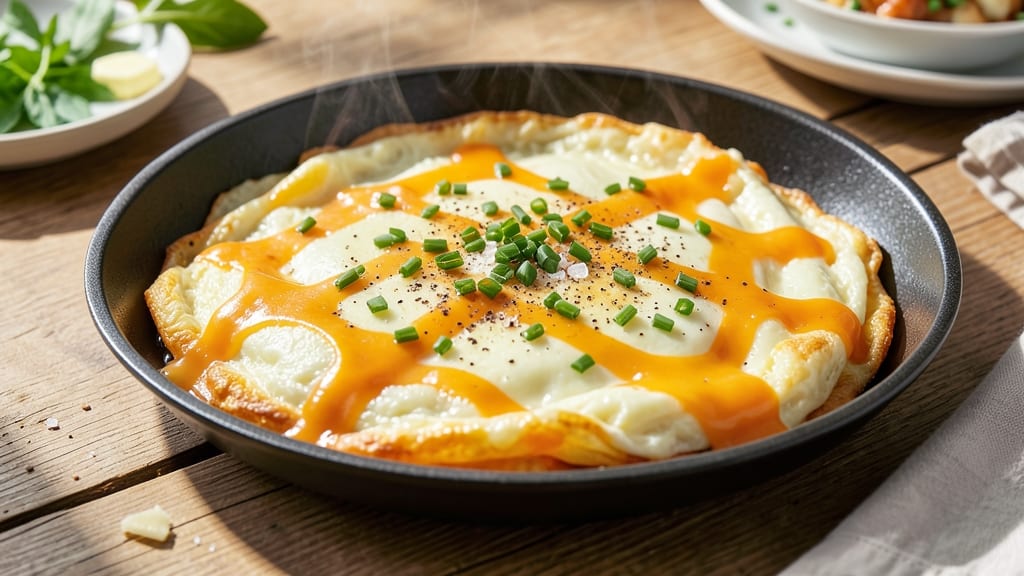
A perfect 2-egg cheese omelette delivers that golden crust and runny yolk combination that turns breakfast into a gourmet experience. The key lies in precise heat control and timing—no more rubbery eggs or dry fillings.
This technique transforms simple ingredients into a restaurant-worthy dish that takes just 5 minutes to master.
Start with 2 large eggs whisked until frothy, then cook in a non-stick skillet over medium-low heat to prevent browning. The secret to that signature runny yolk is removing the omelette from heat just before it fully sets—about 30 seconds before it looks done.
A sprinkle of shredded cheese (cheddar, Swiss, or Gruyère work best) melts into creamy perfection when folded just right.
What you’ll end up with is a tender, golden omelette with a velvety cheese center and that perfect runny yolk—each bite delivers a balance of textures and flavors.
The crust stays crisp, the filling stays creamy, and the yolk remains rich and unbroken. This isn’t just breakfast; it’s a foolproof technique that elevates your morning routine.
For extra flavor, add fresh herbs like chives or parsley, or fold in sautéed mushrooms and onions. The possibilities are endless, but the foundation—two eggs, cheese, and perfect timing—is what makes this omelette truly exceptional. Let’s get cooking.
Ingredients for 2 egg omelette recipe with cheese
Two eggs, one skillet, and a sprinkle of cheese—this is your golden ticket to restaurant-quality omelettes.
| Ingredient | Amount | Notes |
|---|---|---|
| Large Eggs 🥚 | 2 whole | Room temperature for even cooking |
| Shredded Sharp Cheddar Cheese 🧀 | ½ cup | Freshly grated preferred |
| Unsalted Butter 🧈 | 1 tbsp | European-style preferred |
| Fresh Chives 🌿 | 1 tbsp | Chopped finely for garnish |
| Diamond Crystal Kosher Salt 🧂 | ¼ tsp | For seasoning eggs |
| Freshly Ground Black Pepper 🌶️ | ⅛ tsp | Adjust to taste |
| Extra-Virgin Olive Oil 🫒 | 1 tsp | For skillet coating |
| Non-Stick Skillet 🍳 | 1 whole | 8-inch preferred |
The eggs are non-negotiable—room temperature is key for even cooking. Grab the freshest eggs you can find—Whole Foods or Trader Joe's carry excellent pasture-raised options. For the cheese, sharp cheddar delivers that perfect tangy bite, but Gruyère or Swiss work beautifully too. Freshly grated is a game-changer—pre-shredded cheese has anti-caking agents that prevent proper melting. The butter? European-style (like Plugrá) has higher fat content, which gives you that signature golden crust. If you're in a pinch, regular unsalted butter works, but trust me on the full-fat version.
No chives? Fresh parsley or green onions make great substitutes—they add that fresh brightness. The olive oil is just for the skillet—it prevents sticking and adds a subtle flavor. If you're worried about the eggs sticking, a light spray of non-stick cooking spray works too. For the pepper, freshly ground is ideal, but pre-ground works in a pinch. The salt? Diamond Crystal kosher salt dissolves beautifully—Morton's works too if that's what you've got. Pro tip: Whisk the eggs vigorously until you see ribbons form. That's how you get that silky texture.
This omelette is all about timing—5 minutes from start to finish. The skillet stays hot for 2-3 uses before needing a wipe-down. Store leftover cheese in an airtight container for up to 1 week, and keep eggs in their carton in the fridge for up to 3 weeks. For extra flavor, sauté mushrooms or spinach in the same skillet before adding the eggs. The possibilities are endless, but that perfect runny yolk? That's all about the eggs and the timing—don't overthink it, just trust the process.
Why You'll Love This Recipe
- I swear by this combo: eggs and sharp cheddar. That’s it. No fussing with fillings or overcomplicating things—just melt-in-your-mouth cheese and a buttery finish. Honestly, it’s the kind of dish that makes me question why I ever made anything else.
- Two-Ingredient Core: I swear by this combo: eggs and sharp cheddar. That’s it. No fussing with fillings or overcomplicating things—just melt-in-your-mouth cheese and a buttery finish. Honestly, it’s the kind of dish that makes me question why I ever made anything else.
- Crispy-Edge Magic: The secret’s in the butter and timing. A hot pan, a splash of melted butter, and those eggs cooked just until the edges are golden while the center stays soft. That crispy edge with the creamy center? It’s the little things that make this omelette feel like a luxury.
- Breakfast or Lunch: I make this for my kids before school, for a quick workday lunch, or even as a fancy weekend brunch. Add a sprinkle of chives for color, and suddenly it’s restaurant-worthy. Between us, it’s my go-to when I need something fast but still feels special.
Step-by-step instructions for a perfect 2-Egg cheese omelette
Here's how to craft a flawless omelette with a golden crust and that coveted runny yolk center.
Prepare Your Skillet and Eggs
First, let the 2 whole Large Eggs sit at room temperature for 10 minutes before starting. This ensures even cooking throughout. While they warm, place the 1 whole Non-Stick Skillet over medium-low heat and add the 1 tsp Extra-Virgin Olive Oil. Swirl to coat the entire surface evenly—this prevents sticking and creates that perfect non-stick surface.
Watch for the oil to shimmer—this tells you it's ready. If you see any smoke, reduce the heat immediately. The right temperature is crucial; too hot and your omelette will cook unevenly, too cool and it won't set properly. This is where the magic begins, so don't rush it.
Whisk the Eggs to Silky Perfection
In a medium bowl, crack the 2 whole Large Eggs and add the 0.25 tsp Diamond Crystal Kosher Salt and 0.125 tsp Freshly Ground Black Pepper. Whisk vigorously until the yolks and whites are completely combined and the mixture is smooth and uniform. This step is non-negotiable—unevenly whisked eggs lead to rubbery omelettes.
Here's the thing—whisk until the mixture is pale yellow and slightly thickened. You'll notice it clings to the whisk for a moment before falling back into the bowl. This indicates proper aeration, which gives your omelette that light, fluffy texture. Set the bowl aside while you prepare the cheese.
Melt the Butter and Add Cheese
Remove the skillet from heat and add the 1 tbsp Unsalted Butter. Let it melt completely, then tilt the pan to coat the sides—this creates a flavorful barrier that prevents sticking. Return the skillet to medium-low heat and let the butter foam for about 30 seconds before adding the 0.5 cup Shredded Sharp Cheddar Cheese.
Watch the cheese melt into a smooth, gooey blanket in the pan. This is your signal that the butter is ready for the eggs. The cheese should be completely melted and evenly distributed—no dry spots. If you see any browned bits forming, reduce the heat slightly. This step ensures your filling is perfectly integrated when you add the eggs.
Cook the Omelette to Golden Crust Perfection
Quickly pour the whisked eggs into the skillet, tilting the pan to spread them evenly. Immediately reduce heat to low—this gentle heat is key to achieving that perfect golden crust without overcooking the center. Let the eggs sit undisturbed for 20-30 seconds until the edges begin to set and the top looks slightly dry.
Here's where it gets fun—gently push the cooked edges toward the center with a spatula, allowing the uncooked egg to flow to the edges. This creates that classic rolled shape while keeping the yolk runny. Sprinkle the 1 tbsp Fresh Chives evenly over one half of the omelette just before folding—this adds a fresh pop of color and flavor that contrasts beautifully with the cheddar.
Fold and Finish with Confidence
When the top is mostly set but still slightly glossy (about 1-2 minutes total cooking time), fold the omelette in half with a confident motion. The edges should be golden brown and the center should still have that beautiful, slightly wobbly consistency. Slide the omelette onto a warm plate and let it rest for 30 seconds—this ensures it holds its shape when you cut into it.
Here's the moment you've been waiting for: cut into your creation to reveal that perfect runny yolk center surrounded by creamy cheddar. The golden crust should contrast beautifully with the soft interior. Serve immediately while the yolk is still warm and fluid—this is when your omelette is at its absolute peak of perfection. Each bite should deliver that perfect balance of textures and flavors we've worked so hard to achieve.
Pro Tips For Making 2 Egg Omelette Recipe With Cheese
- Use Medium-High Heat: I learned this the hard way—low heat makes your omelette turn into a sad, rubbery pancake. Crank it to medium-high, then lower slightly when the eggs start to set. You want that bottom to brown in 30 seconds, not steam for minutes.
- Salt the Cheese First: Sharp cheddar’s got enough salt to ruin the balance if you don’t prep it right. Sprinkle a pinch of kosher salt over the shredded cheese while you’re grating it—it’ll mellow the flavor and keep the texture from getting gummy when it melts.
- Fold When the Center’s Almost Set: That last second of runny egg is where most people mess up. Fold when the middle’s still slightly wet but the edges are firm—it’ll finish cooking from the residual heat. Skip the "fully cooked" look, or you’ll end up with a dry, overdone brick.
- Chop Chives Fine: I was skeptical until I tried it—whole chives just sit on top like garnish. Pulse them in a knife or food processor until they’re confetti-sized so they distribute evenly and add texture with every bite. (Yes, even if you’re impatient like me.)
Creative variations of this dish
Herb-Infused Variations
Swap the chives for 1 tbsp fresh parsley or 1 tsp dried thyme for a completely different flavor profile. I love adding 1 tbsp chopped basil just before folding—it brightens the cheddar beautifully.
For a Mediterranean twist, try 1 tsp dried oregano and a pinch of red pepper flakes for subtle heat. Fresh herbs should always be added right before folding to preserve their aroma. 🌿
Veggie-Packed Twists
Sauté ¼ cup finely diced bell peppers and 2 tbsp chopped onions in the skillet with the butter before adding cheese. The veggies soften as the omelette cooks, creating a colorful, nutrient-packed center.
For a smoky flavor, add 2 tbsp sautéed mushrooms or 2 tbsp spinach—just wilt them quickly before folding. Pre-cooked veggies work best to avoid excess moisture. 🍄
Cheese Swaps
Replace sharp cheddar with ½ cup Gruyère for a nutty, caramelized flavor that melts into a luxurious sauce. ½ cup feta adds tangy brightness, while ½ cup goat cheese creates a creamy, slightly tangy center.
For a decadent option, mix ¼ cup cheddar with ¼ cup smoked gouda—the smokiness pairs perfectly with the runny yolk. Always shred your own for the best melt. 🧀
Breakfast Fusion Ideas
Add 2 tbsp cooked bacon or 2 tbsp sautéed ham to the cheese for a savory twist. For a brunch-worthy version, fold in 2 tbsp caramelized onions and 1 tbsp crumbled bacon.
I also love adding 1 tbsp pesto to the eggs before cooking for a herby, garlicky kick. These additions work best when pre-cooked to avoid soggy omelettes. 🥓
Spicy and Sweet
Kick things up with ½ tsp cayenne pepper or 1 tsp hot sauce mixed into the eggs for a spicy surprise. For sweetness, add 1 tbsp finely chopped apple or 1 tsp maple syrup to the cheese—it pairs surprisingly well with the salty cheddar.
A sprinkle of crushed red pepper flakes on top before serving adds a final zing. Balance is key—start with small amounts and adjust to taste. 🌶️
Global Flavor Journeys
For a French bistro vibe, fold in 1 tbsp sautéed shallots and 1 tbsp Gruyère with a pinch of nutmeg. A Mexican-inspired version swaps cheddar for ½ cup Monterey Jack and adds 2 tbsp black beans and 2 tbsp corn.
Japanese home cooks often use ½ cup mozzarella with a drizzle of soy sauce and sesame seeds—trust me, it’s delicious. 🗺️
Nutrition facts
Frequently asked questions
Why does my omelette turn out rubbery?
Overcooking is the #1 culprit—most people leave it on heat too long. Remove your omelette when the edges are golden but the center still looks slightly glossy (about 1-2 minutes total). Also, whisk the eggs until they form ribbons—unevenly mixed eggs create a tough texture. For extra tenderness, use European-style butter instead of regular butter.
Can I make this with fewer than 2 eggs?
Yes, but the texture changes dramatically. A 1-egg omelette will be delicate and more like a pancake—it won't hold its shape well when folded. If you must use 1 egg, cook it in a smaller 6-inch skillet and fold it immediately when the edges set. For best results, stick with 2 eggs for that classic rolled structure and runny yolk.
What's the best cheese for a runny yolk omelette?
Sharp cheddar is ideal because it melts smoothly without overpowering the egg's delicate flavor. For extra richness, try Gruyère (nutty) or Swiss (slightly sweet). Avoid pre-shredded cheese—it contains anti-caking agents that prevent proper melting. Freshly grated cheese creates that beautiful, creamy blanket inside your omelette.
How do I keep the yolk runny without it leaking out?
Timing is everything! Remove the omelette from heat when the edges are set but the center still jiggles slightly (about 30 seconds before it looks fully cooked). Fold it immediately and let it rest for 30 seconds before cutting—this gives the proteins time to set slightly. If the yolk leaks, your heat was too high or you folded too early. For extra insurance, cook over medium-low heat the whole time.
Can I make this ahead of time?
Not successfully—omelettes are best eaten immediately when the yolk is runny. However, you can prep components ahead: whisk eggs with salt/pepper and store in the fridge for up to 2 days, grate cheese in advance, and chop herbs the night before. For a make-ahead option, try this recipe with fully cooked yolks (165°F) that won't run when reheated.