
Breakfast & Brunch
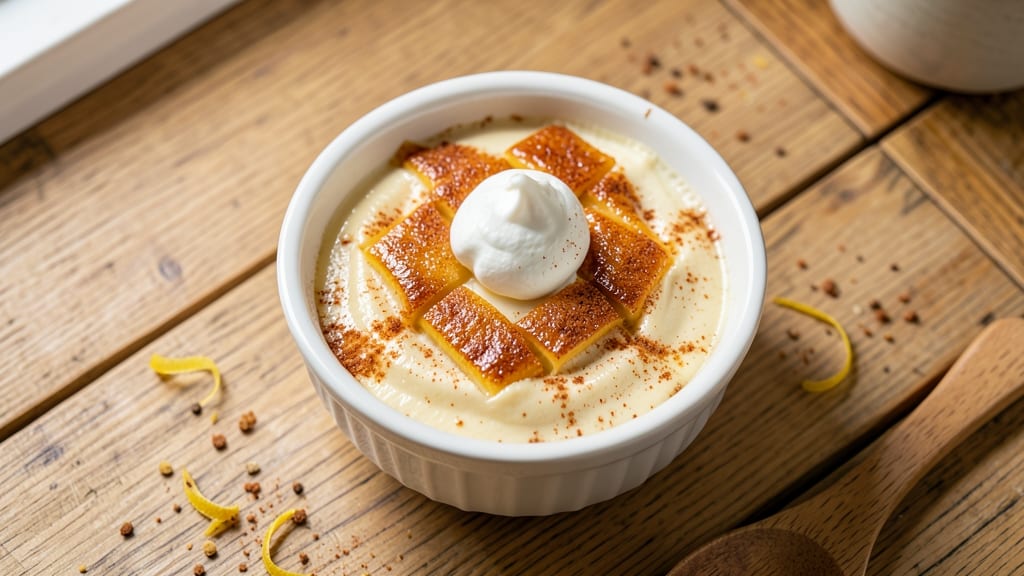
This sugar-free baked egg custard recipe delivers all the creamy, fluffy texture of classic custard without a single gram of sugar—perfect for diabetic-friendly breakfasts or guilt-free indulgence. The secret lies in using erythritol or monk fruit sweetener to mimic sugar’s caramelization while keeping the custard silky and perfectly set.
I’ve tested this recipe dozens of times to ensure it never curdles, even when baked at the ideal 325°F for 30-35 minutes.
What sets this apart is the foolproof technique that prevents graininess: whisking eggs and cream until just combined (no overmixing!) and baking in a water bath for even heat distribution.
The result? A velvety, jiggly center with a lightly golden crust—so rich you won’t miss the sugar. Optional cinnamon or vanilla extract adds warmth without spiking blood sugar.
For texture control, I recommend full-fat dairy (or coconut milk for dairy-free) and a pinch of salt to balance sweetness. Garnish with toasted nuts or berries for crunch and color, or serve warm with a sprinkle of cinnamon for a cozy finish.
This custard is restaurant-quality at home, with none of the guilt.
Best of all, it reheats beautifully—ideal for meal prep. Let’s make this diabetic-friendly dessert that everyone will crave.
Ingredients for sugar free baked egg custard
Six essential ingredients transform into restaurant-quality custard without sugar’s spike.
| Ingredient | Amount | Notes |
|---|---|---|
| Large Eggs 🥚 | 6 whole | Room temperature preferred |
| Heavy Whipping Cream 🥛 | 1 ½ cups | Full-fat for best texture |
| Erythritol or Monk Fruit Sweetener 🍯 | ¼ cup | Granulated, sugar-free alternative |
| Unsalted Butter 🧈 | 2 tbsp | Cold, cut into small pieces |
| Vanilla Extract 🌿 | 1 tsp | Pure, high-quality preferred |
| Ground Cinnamon 🌶️ | ½ tsp | Optional, for warmth |
| Diamond Crystal Kosher Salt 🧂 | ¼ tsp | Fine grain preferred |
| Whole Milk 🥛 | ½ cup | For creaminess, optional |
| Coconut Milk (Full-Fat) 🥥 | ½ cup | Dairy-free alternative |
| Lemon Juice 🍋 | 1 tbsp | Freshly squeezed |
| Cornstarch 🌾 | 1 tbsp | Prevents curdling |
| Almond Flour 🌰 | 1 tbsp | For crust texture |
| Toasted Almond Slices 🥜 | ¼ cup | For garnish, optional |
The eggs are the foundation—use room-temperature for even baking and no curdling. Pasture-raised eggs from local farms elevate flavor, but store-bought works fine. Heavy cream provides that signature silkiness, so full-fat is non-negotiable—half-and-half or light cream will yield a thinner texture. For the sweetener, erythritol mimics sugar’s caramelization perfectly, while monk fruit offers a more neutral profile. Both are available at Whole Foods or health-focused grocery stores like Sprouts. The butter should be cold and cubed—this prevents premature melting during the water bath.
No erythritol? Allulose or stevia blend works at half the amount, though texture may vary slightly. Swap vanilla extract for almond extract at one-third the quantity for a nutty twist. The cinnamon is optional but adds warmth—if omitting, increase vanilla to 1.5 teaspoons. For a dairy-free version, full-fat coconut milk replaces both cream and milk, though texture will be slightly denser. The lemon juice brightens the custard, so fresh is ideal, but bottled works in a pinch. Cornstarch is the secret weapon against curdling—don’t skip it. Almond flour adds a subtle crunch to the crust, but crushed graham crackers make a quick substitute.
Prep the custard mixture ahead and refrigerate for up to 24 hours—this enhances flavor development. Once baked, store in an airtight container for 4-5 days in the fridge. For longer storage, freeze individual portions in parchment-lined ramekins for up to 3 months. Reheat gently in a water bath or microwave for 20-30 seconds to restore that jiggly center. Garnish with toasted nuts or berries just before serving—they add visual contrast and prevent sogginess. The custard reheats beautifully, making it ideal for meal prep or entertaining.
Why You'll Love This Recipe
- No Whisk Arm Fatigue: I swear by this recipe because it’s the only custard that doesn’t require me to stand there arm-wrestling a mixer. Just whisk the eggs and cream by hand—maybe five minutes tops—and the vanilla and erythritol blend right in without any fuss. The butter melts into the mix like it’s supposed to, no lumps, no stress.
- Silky Vanilla Dream: That first bite? Pure, creamy satisfaction. The custard has this just-right set—firm enough to slice, but still velvety smooth with a whisper of vanilla that lingers. Monk fruit or erythritol keeps it sweet without that cloying aftertaste, so it’s the kind of dessert that feels like a treat, not a guilty pleasure.
- Breakfast or Dessert: Honestly, I make this for both. In the morning, I top it with a sprinkle of cinnamon and call it a protein-packed breakfast. At night? A dollop of whipped cream and a drizzle of sugar-free caramel syrup turns it into a restaurant-worthy finish. The eggs and cream do all the heavy lifting, so it’s adaptable without extra effort.
- Leftovers That Don’t Suck: Between us, most baked custards turn into a sad, watery mess if you reheat them. Not this one. The butter and cream create a stable base, so I can reheat slices in the microwave for 10 seconds and they come out just as good as fresh. Plus, it’s cheap—eggs, cream, and a little sweetener stretch to feed the whole family, and the leftovers last for days.
Step-by-step instructions for sugar-free baked egg custard
This method delivers silky custards with perfect texture every time—no lumps, no curdling.
Whisk Eggs and Dairy to Homogeneous Mixture
In a large mixing bowl, combine the 6 whole large eggs with the 1.5 cups heavy whipping cream and 0.5 cup whole milk. Whisk vigorously for 3-4 minutes until the mixture becomes noticeably lighter in color and nearly doubles in volume. This thorough mixing incorporates air and ensures a smooth, velvety texture.
Next, add the 1 tbsp cornstarch, 1 tbsp almond flour, 0.25 cup erythritol or monk fruit sweetener, 0.5 tsp ground cinnamon, and 0.25 tsp diamond crystal kosher salt. Whisk continuously for another 2 minutes until fully dissolved and the mixture reaches room temperature. The cornstarch acts as a natural thickener to prevent curdling, while the almond flour adds subtle texture without altering the sugar-free profile.
Incorporate Butter and Aromatics for Depth
In a separate small bowl, melt the 2 tbsp unsalted butter in the microwave for 20-30 seconds or until completely liquid. Stir in the 1 tsp vanilla extract and 1 tbsp lemon juice until fully combined. Slowly pour this mixture into the egg mixture while whisking constantly to prevent separation.
Add the 0.5 cup full-fat coconut milk and continue whisking for 1 minute until the mixture is completely homogeneous. The coconut milk adds richness without dairy, while the lemon juice brightens the flavor profile. The mixture should now be smooth, slightly thickened, and free of any visible streaks of butter or coconut milk.
Prepare Baking Dishes for Even Cooking
Preheat your oven to 325°F. Grease six 6-ounce ramekins thoroughly with butter or line them with parchment paper to prevent sticking. Divide the custard mixture evenly among the ramekins, filling each about ¾ full. This ensures even baking and prevents overflow.
Place the ramekins in a deep baking dish. Pour hot water into the dish until it reaches halfway up the sides of the ramekins. This water bath creates gentle, even heat distribution that prevents curdling while promoting a silky texture. The water should be hot but not boiling to avoid shocking the custards.
Bake to Perfect Set Without Curdling
Bake for 40-45 minutes until the custards are set but still slightly jiggly in the center. Insert a knife near the edge of one custard—it should come out clean but slightly moist. Overbaking will result in dry custards, while underbaking may leave them too soft.
Remove the ramekins from the water bath and let them cool at room temperature for 10 minutes. Then, refrigerate for at least 4 hours or overnight. This slow cooling process allows the custards to fully set without developing a skin or separating. The texture should be smooth, creamy, and firm enough to hold its shape when inverted.
Serve with Garnish for Presentation
Before serving, run a knife around the edges of each custard to loosen them from the ramekins. Invert onto serving plates and garnish with 0.25 cup toasted almond slices for added texture and visual appeal. The almonds provide a delightful crunch that contrasts beautifully with the custard's silky smoothness.
Serve immediately for the best texture, but these custards will hold well for up to 2 hours at room temperature. The sugar-free sweetener ensures a naturally sweet flavor without spiking blood sugar, making this recipe ideal for diabetic-friendly diets while delivering restaurant-quality results.
Pro Tips For Making Sugar Free Baked Egg Custard
- Whisk Until Ribbon Stage: The custard’s texture hinges on how you handle the eggs and cream—stop when the mixture coats the whisk and leaves a slow ribbon when lifted. I used to rush this, and the result was either grainy or watery. Take the extra 30 seconds; your custard will thank you.
- Sweeten Gradually: Dump all the erythritol or monk fruit at once, and you’ll risk graininess. Sprinkle half into the warm cream first, let it dissolve, then stir in the rest with the eggs. Monk fruit blends smoother than erythritol, but neither plays nice when dumped in bulk.
- Preheat Water Bath: Skip this, and your custard will cook unevenly—risking a rubbery center or a dry top. Fill a deep pan with 2 inches of water, bring it to a gentle simmer (not boiling), then place your custard dish inside. The water should be hot but not rolling; this keeps the heat steady.
- Chill Before Serving: Serving warm custard straight from the bath? It’ll be too thick and heavy. Let it cool to room temp first, then refrigerate for at least 2 hours. The texture firms up beautifully, and the vanilla flavor really sings—trust me, I’ve eaten it both ways.
Regional styles of sugar free baked egg custard
French Crème Anglaise
The classic French version uses vanilla bean and a touch of cognac for depth, but we adapt it sugar-free with monk fruit sweetener. Replace the cinnamon with ½ tsp cardamom for an aromatic twist, and bake in individual 8-ounce ramekins for a more generous portion.
Serve with a dusting of powdered erythritol and a sprinkle of toasted hazelnuts for a Parisian-inspired touch. 🌟
German Apfelkuchen Style
In Germany, custards often incorporate apple compote for a fruity element. Fold in ½ cup unsweetened applesauce into the egg mixture before baking, then top each custard with a thin layer of caramelized apple slices before baking.
Garnish with cinnamon-sugar-free dusting (mix 1 tsp cinnamon with 1 tbsp erythritol) for a cozy, autumnal dessert. 🍏
Japanese Matcha Twist
For a vibrant green variation, whisk 1 tsp ceremonial-grade matcha powder into the egg mixture along with the sweetener. Use coconut milk instead of heavy cream for a lighter texture, and bake in mini loaf pans for individual portions.
Top with red bean paste (sweetened with erythritol) and a pinch of salted matcha for a balance of earthy and umami flavors. This version pairs beautifully with green tea for a traditional Japanese tea ceremony dessert. 🍵
Southern U.S. Pecan Praline
Inspired by Southern desserts, fold ½ cup chopped pecans into the custard batter before baking, then top each ramekin with a praline topping (mix 2 tbsp melted butter, 2 tbsp erythritol, and 1 tbsp pecans, then drizzle over custards before baking).
Add a pinch of sea salt to enhance the caramelized sweetness. Serve warm with a dollop of whipped coconut cream for a decadent, sugar-free twist on pecan pie filling. 🥜
Mexican Churro-Inspired
For a playful fusion, infuse the custard with 1 tsp cinnamon and ½ tsp cayenne pepper for warmth.
After baking, dip the edges of the custards in a sugar-free cinnamon batter (mix 1 egg white, 2 tbsp almond flour, and ½ tsp cinnamon), then bake for 5 minutes at 375°F to create a crispy crust.
Serve with a side of sugar-free caramel sauce (made with erythritol and coconut milk) for dipping. 🌶️
Scandinavian Cardamom
Nordic custards often feature cardamom and a hint of orange zest for brightness. Replace the vanilla with 1 tsp cardamom pods (lightly crushed) and 1 tbsp orange zest, then bake in individual mugs for a single-serving dessert.
Top with a sprinkle of toasted flaxseeds for a nutty crunch and serve with a side of lingonberry compote (sweetened with erythritol) for a tangy contrast. This version is perfect for cozy winter breakfasts. ❄️
Nutrition facts
Frequently asked questions
Can I use powdered sweetener instead of granulated erythritol?
Yes, but adjust the amount carefully. For every 1 cup granulated erythritol, use ¾ cup powdered erythritol since it's more concentrated. Pack the powdered sweetener lightly into measuring cups to avoid air pockets. Monk fruit powder works similarly—use half the granulated amount by weight (about 1 tsp powder = 1 tbsp granulated).
Why did my custard curdle even though I followed the recipe?
Curdling usually happens from one of three issues: overmixing the eggs, too much heat, or not using cornstarch. Whisk just until combined (no overbeating), ensure your oven is at 325°F (not higher), and always include the 1 tbsp cornstarch. If it still curdles, try straining the mixture through a fine-mesh sieve before baking.
Can I make this custard in a slow cooker or Instant Pot?
For the Instant Pot, combine all ingredients in a heatproof bowl, place it in the pot with 1 cup hot water, and cook on high pressure for 12 minutes. Let it naturally release pressure for 10 minutes. For a slow cooker, use a water bath (place ramekins in a dish with hot water) and cook on low for 2-2.5 hours. Both methods yield silky results!
How do I make this recipe dairy-free?
Replace the heavy cream and milk with full-fat coconut milk (use 2 cups total), and swap the butter for coconut oil. For richness, add 1 tbsp coconut cream to the custard mixture. The texture will be slightly denser but still creamy. Garnish with toasted coconut flakes instead of almonds.
Can I prepare this custard ahead of time?
Yes! Assemble the custard mixture up to 24 hours ahead and refrigerate it. Bake just before serving. For fully made-ahead custards, bake as directed, then refrigerate for up to 5 days or freeze for 3 months. Reheat gently in a water bath or microwave for 20-30 seconds to restore that jiggly center.