
Sauces & Condiments
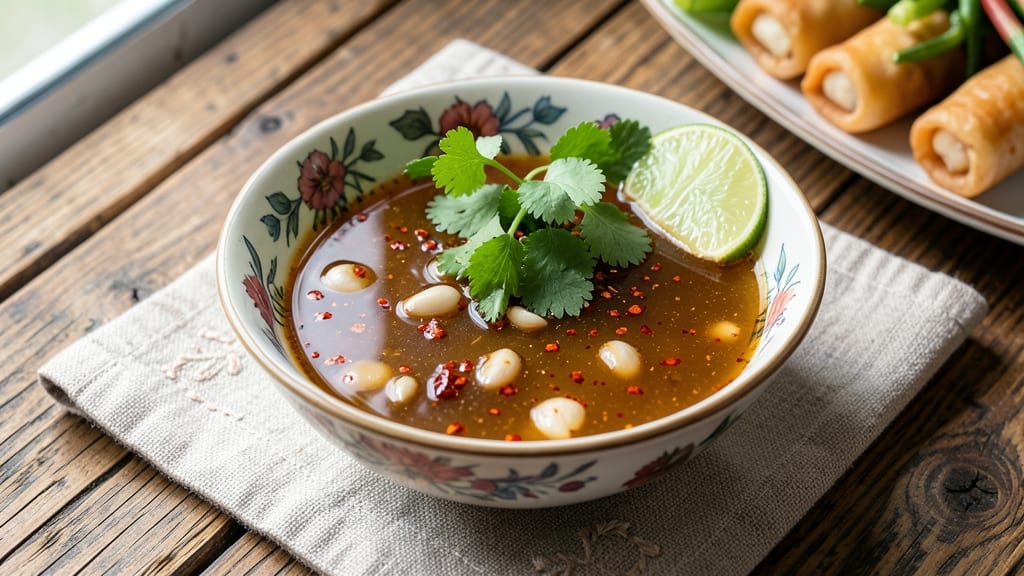
This Vietnamese egg roll dipping sauce transforms ordinary bites into extraordinary ones with its perfect balance of tangy fish sauce and bright lime zing.
The secret lies in the harmony of just five ingredients—fish sauce, lime juice, sugar, chili, and garlic—simmered together until they create a glossy, aromatic sauce that clings to every crispy edge of your egg rolls.
I developed this recipe after years of searching for that exact balance of sweet, salty, and spicy that makes every bite sing.
The magic happens when you combine these simple ingredients in precise ratios: the fish sauce provides that signature umami depth, while the lime juice and sugar create a refreshing contrast that cuts through the richness of fried egg rolls.
A touch of chili adds just enough heat to wake up your palate, and minced garlic brings layers of aromatic complexity. This sauce isn't just a dip—it's the star that elevates your entire meal.
What makes this sauce truly special is how versatile it is beyond egg rolls. It works beautifully with spring rolls, fresh spring rolls, or even as a marinade for grilled meats.
The sauce keeps well in the refrigerator for up to a week, allowing you to make a big batch and enjoy it throughout the week. Once you taste this homemade version, you'll never go back to store-bought again.
With just 10 minutes of active prep time and a few minutes of simmering, you'll have a sauce that's restaurant-quality and packed with authentic flavor. The key is letting the sauce sit for at least 15 minutes before serving—this allows all the flavors to meld together perfectly.
Trust me, your taste buds will thank you.
Ingredients for vietnamese egg roll dipping sauce
Five ingredients. One sauce. The secret to restaurant-quality Vietnamese egg roll dipping sauce.
| Ingredient | Amount | Notes |
|---|---|---|
| Fish Sauce 🍶 | ½ cup | Red Boat preferred for authenticity |
| Fresh Lime Juice 🍋 | ¼ cup | Freshly squeezed, no pulp |
| Granulated Sugar 🍚 | ¼ cup | White or brown preferred |
| Garlic Cloves 🧄 | 4 cloves | Minced finely for depth |
| Red Chili Flakes 🌶️ | 1 tbsp | Adjust for heat preference |
| Water 💧 | ½ cup | Room temperature preferred |
| Fresh Cilantro 🌿 | ⅛ cup | Chopped, optional garnish |
The fish sauce is non-negotiable here—Red Boat is my go-to, but any reputable brand works. Grab it from the Asian aisle at Walmart or Trader Joe's if you can't find it elsewhere. Fresh lime juice is a game-changer, so skip the bottled stuff (it tastes like vinegar). The garlic should be freshly minced—no pre-minced jars. If you're worried about heat, start with half the chili flakes and adjust to taste. The sugar balances everything, but don't skip it—this isn't just a fish sauce glaze.
No fresh lime? Key lime juice works too, but it's stronger, so use half the amount. Running low on fish sauce? Soy sauce in a pinch, but it'll taste different. The cilantro is optional but adds that fresh finish—dried won't cut it. Want extra umami? Add a splash of hoisin sauce or a dash of black pepper. The water helps thin the sauce just enough to coat egg rolls perfectly without being watery. If you're making a big batch, double everything except the chili—you can always add more heat later.
This sauce keeps for 1 week in the fridge, sealed tight. The flavors actually get better after a day as everything melds together. For extra longevity, pour it into an ice cube tray and freeze—perfect for single servings. If it thickens too much, just add a splash of water or lime juice. The key is letting it sit for at least 15 minutes before serving—this isn't something you want to slurp down right after mixing. Trust me, patience pays off with every crispy bite.
Why You'll Love This Recipe
- Five-Ingredient Magic: I swear by this—just fish sauce, lime, sugar, garlic, and chili. That’s it. No fancy prep, no measuring cups cluttering your counter. Honestly, I’ve made it while waiting for takeout to arrive, and it still beats whatever comes in a bottle.
- Umami Bomb: The garlic and fish sauce combo? It’s like a flavor explosion in your mouth. The lime cuts through the richness, the sugar balances the heat, and suddenly your egg rolls—store-bought or homemade—taste like they came from a street cart in Saigon.
- Party in a Jar: Between us, this sauce is my secret weapon for game day, potlucks, or whenever I’m hosting. It’s the one thing people always ask for seconds on. Plus, it keeps for days in the fridge, so you’re never scrambling last-minute.
- Budget Game-Changer: Fish sauce is dirt cheap, and a lime lasts forever if you use it right. I make a big batch and keep it on hand for weeks—no wasted ingredients, just pure flavor payoff. My wallet and my taste buds both win.
Step-by-step instructions for Vietnamese egg roll dipping sauce
This tangy, aromatic sauce comes together in minutes with just a few simple ingredients.
Combine the Base Ingredients
In a medium saucepan, pour in the 0.5 cup fish sauce and 0.25 cup fresh lime juice. I like to use freshly squeezed lime juice for that bright, zesty punch—it really makes the sauce pop. Add the 0.25 cup granulated sugar and 0.5 cup water, then stir everything together over medium heat until the sugar dissolves completely.
Watch the mixture carefully as it heats. You want it to warm through but not boil yet—just enough to activate the flavors. The sugar should fully integrate, leaving no graininess behind. This step builds the foundational balance of salty, sweet, and acidic that defines this sauce.
Add Garlic and Chili for Depth
Once the sugar is fully dissolved, reduce the heat to low and add the 4 cloves minced garlic and 1 tablespoon red chili flakes. Stir constantly for 1-2 minutes until you can smell that rich, aromatic garlic scent filling your kitchen. The chili flakes will infuse the sauce with a subtle, warm heat—adjust to your preference if you like it spicier.
Here's where the sauce starts to develop its signature complexity. The garlic should soften slightly but not brown, and the chili should disperse evenly. If you notice the garlic starting to color, remove the pan from heat immediately—you want flavor, not bitterness. Let the mixture sit off heat for 30 seconds to let the flavors meld.
Simmer Until Smooth and Glossy
Return the pan to low heat and let the sauce simmer gently for 5-7 minutes, stirring occasionally. You're looking for the sauce to thicken slightly and develop a glossy sheen. It should coat the back of a spoon but still be pourable—not syrupy. Taste as you go and adjust the seasoning if needed—add a pinch more sugar if it's too salty, or a splash more lime juice if it needs more acidity.
The sauce is ready when it's smooth with no visible sugar grains and has a balanced taste of all the components. If it thickens too much during simmering, you can thin it with a splash of water, but it should naturally reach the right consistency. This is the moment where all the flavors come together in harmony.
Finish with Fresh Cilantro
Remove the sauce from heat and stir in the 0.125 cup chopped fresh cilantro. The cilantro adds a bright, herbal note that cuts through the richness of the fish sauce and garlic. Give it a final taste—it should be tangy, slightly sweet, with a touch of heat and herbal freshness. If you prefer it smoother, you can strain out the cilantro before serving, but I like the texture it adds.
Let the sauce cool to room temperature before serving. The flavors will continue to develop and deepen as it sits. This sauce pairs perfectly with egg rolls, spring rolls, or even grilled meats. The key is making it fresh—it's best enjoyed within a few hours of preparation, when all the ingredients are at their peak.
Pro Tips For Making Vietnamese Egg Roll Dipping Sauce
- Mince Garlic Like Mad: I used to crush garlic cloves flat with the side of my knife—big mistake. For this sauce, actually mince it into tiny, even pieces (about 1/8-inch). It dissolves faster and blends smoother, so you don’t end up with chewy bits that ruin the texture. (Yes, it takes 30 seconds longer, but your sauce will taste like it came from a street vendor.)
- Balance Heat First: Taste the chili flakes before adding the rest. If they’re fresh or extra spicy, start with just 1/2 teaspoon and adjust. I learned this the hard way when I dumped in a full teaspoon and had to dilute the whole batch with lime juice. The sauce should sing, not scream.
- Warm the Sugar: Stir the sugar into warm water (not boiling) first—just enough to dissolve it completely. Cold sugar sinks to the bottom and clumps when mixed with fish sauce, leaving you scraping the pot. A few seconds with a spoon over low heat saves you from a gritty, uneven sauce.
- Fish Sauce Last: Add the fish sauce after everything else is mixed and cooled slightly. If you add it early, the heat can make it smell harsh and overpower the lime’s brightness. Let the sugar and garlic mellow first—trust me, your nose (and taste buds) will thank you.
Regional styles of this vietnamese egg roll dipping sauce
Northern Vietnam Style
In the bustling streets of Hanoi, this dipping sauce takes on a slightly sweeter profile, often incorporating a touch of hoisin sauce—about 1 tablespoon—for extra depth. The locals here balance the tang with a pinch of black pepper, adding warmth that complements the garlic's sharpness.
I've found that using brown sugar instead of white gives it that caramelized richness you taste in street-side pho. Serve it with chả giò (Vietnamese spring rolls) for an authentic Northern experience. 🌶️
Central Vietnam Twist
Moving south to Hue, the royal city, the sauce becomes more complex with the addition of fish sauce-infused shrimp paste—just ½ teaspoon—for an umami bomb. The Central Vietnamese version also includes a splash of rice vinegar (about 1 teaspoon) to brighten the flavors.
This variation works beautifully with bánh tráng nướng (Vietnamese fried spring rolls) and adds a subtle funkiness that's hard to resist. The heat level is often dialed up slightly here, so adjust the chili flakes to your preference.
Southern Vietnam Adaptation
In Ho Chi Minh City, the sauce leans toward a bolder, fruitier profile. Add ½ cup of mango puree (or ¼ cup mango nectar) to the base ingredients for a tropical twist that pairs perfectly with bánh xèo (crispy Vietnamese pancakes).
The Southern version also incorporates a pinch of MSG (just ¼ teaspoon) to amplify the savory notes. This variation is sweeter and fruitier, making it ideal for hot, humid days when you crave something refreshing yet satisfying. 🍍
Street Food Version
For a true street-food experience, vendors often thicken the sauce with a cornstarch slurry (mix 1 teaspoon cornstarch with 1 tablespoon water) and stir it in at the end for a glossy, clingy texture.
They also add a dash of MSG and a squeeze of extra lime right before serving to keep the sauce vibrant. This version is perfect for dipping bánh cuốn (steamed rice rolls) or nem rán (fried spring rolls) and is a staple at night markets across Vietnam.
Modern Fusion Take
For a contemporary twist, blend in ½ teaspoon of smoked paprika for a smoky depth that works surprisingly well with grilled meats or crispy tofu.
Some modern chefs also add a splash of coconut milk (about 2 tablespoons) to create a creamy, tropical variation that's perfect for summer gatherings. This fusion version keeps the traditional flavors intact while adding a fresh, innovative spin that's gaining popularity in Vietnamese restaurants worldwide. 🌿
Nutrition facts
Frequently asked questions
Can I make this sauce without fish sauce?
You can substitute with soy sauce or coconut aminos in a 1:1 ratio, but the flavor will differ. Fish sauce provides that essential umami depth that's hard to replicate. For a vegetarian version, try vegetable-based fish sauce substitutes or mushroom powder (½ teaspoon) mixed with soy sauce for umami. The sauce will still work but won't be fully authentic.
How spicy should this dipping sauce be?
The recipe uses 1 tablespoon chili flakes as a baseline for mild heat. For a medium-spicy version, increase to 1.5 tablespoons. If you love heat, go up to 2 tablespoons or add fresh chili slices (like Thai bird's eye) at the end. Remember, you can always add more heat later—you can't take it out!
Can I make this sauce ahead of time?
Yes! This sauce actually tastes better after 24 hours as the flavors meld together. Store it in an airtight container in the fridge for up to 1 week. For longer storage, freeze it in ice cube trays—perfect for single servings. When reheating, warm gently on low heat or at room temperature. The texture may thicken slightly when cold, so add a splash of water or lime juice when serving.
What if my sauce tastes too salty?
Don't worry—it's easy to fix! Add 1-2 teaspoons more lime juice or 1 teaspoon sugar to balance the saltiness. If it's still too strong, thin it with 1 tablespoon water and taste again. The key is balancing the fish sauce's salt with the sweet-tart combination of lime and sugar. This adjustment is common, especially if you're using a particularly salty fish sauce brand.
What other Vietnamese dishes pair well with this sauce?
Beyond egg rolls, this versatile sauce works beautifully with bánh tráng nướng (fried spring rolls), bánh xèo (crispy pancakes), and even grilled meats like thịt nướng. It's also fantastic with bánh cuốn (steamed rice rolls) or as a marinade for tofu or shrimp. The bright, tangy flavors cut through rich, fried foods perfectly while adding depth to lighter dishes.